
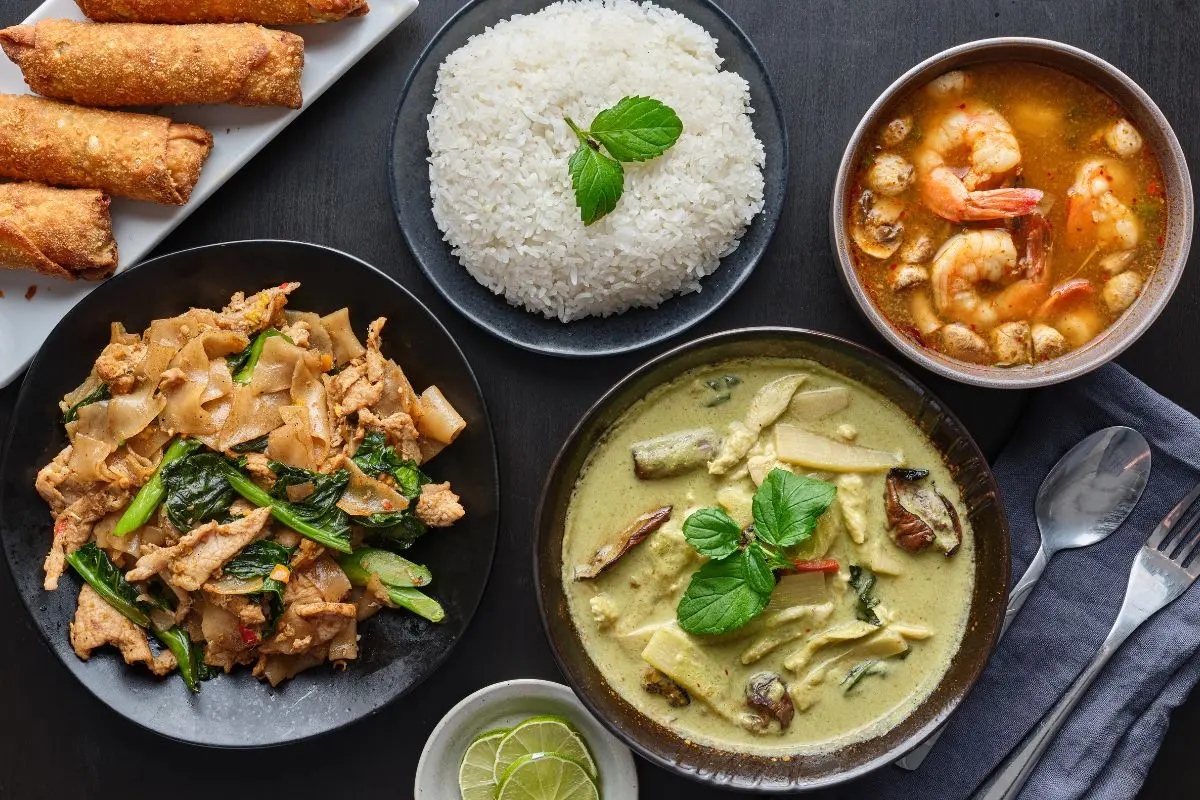
The Art of Traditional Thai Cuisine
Thai cooking is the art of balance: sour against sweet, heat against cool herbs, salt against richness. Here is how it works, and why it is unlike any other cuisine.
A Cuisine of Balance, Not Just Heat
Many people think of Thai food as "spicy". Thai cooks think of it as balanced.
A properly made Thai dish is a negotiation among flavors: the bright sourness of lime or tamarind, the deep saltiness of fish sauce, the round sweetness of palm sugar, the heat of fresh and dried chilies, and the perfume of herbs like lemongrass, galangal, makrut lime and basil. No single taste is allowed to dominate. Each one exists to answer another.
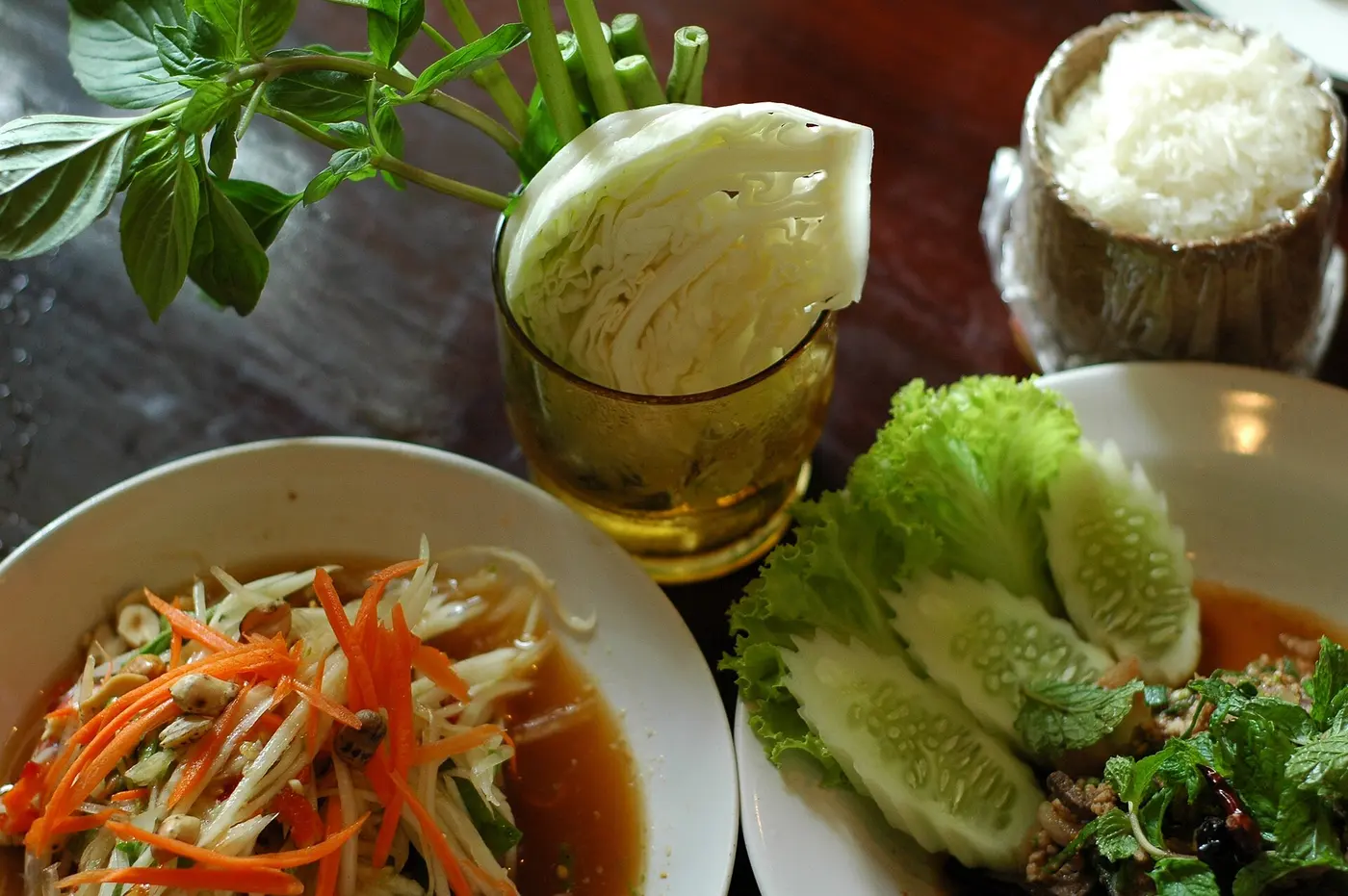
This is why Thai food feels so alive in the mouth. A spoonful of Tom Yum is hot, then sour, then salty, then fragrant, all in a few seconds. A green papaya salad is crunchy, sour, sweet and fiery at once. The goal is not complexity for its own sake, but harmony, what Thai cooks call rot chat (รสชาติ), the full "taste" of a dish.
At Elephant Ear, every sauce is seasoned by taste, adjusted at the stove the way Thai cooks have always done, rather than measured from a card.
How a Thai Cook Tastes
Thai cooks taste constantly and correct as they go: a squeeze more lime, a pinch of palm sugar, a dash of fish sauce. These are the five forces they balance.
Priao · Sour
Lime juice, tamarind, green mango, sour curry pastes and fermented sour sausage.
Wan · Sweet
Palm sugar, coconut milk and cream, ripe fruit, and caramelized shallots.
Khem · Salty
Fish sauce (nam pla), shrimp paste (kapi), soy and salted duck egg.
Phet · Spicy
Bird's eye chili, dried red chili, white and black pepper, and fresh ginger.
Hom · Fragrant
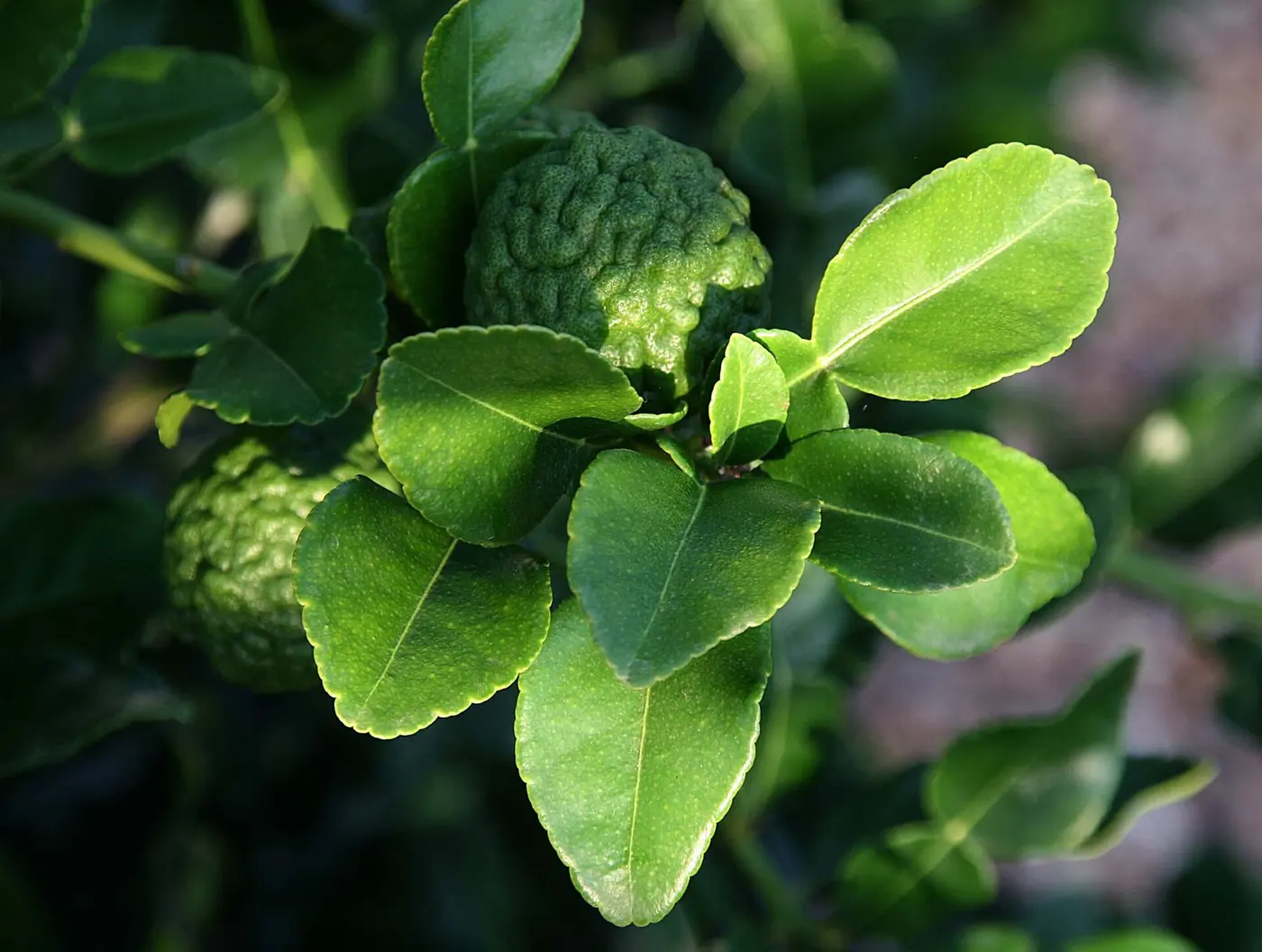
Lemongrass, galangal, makrut lime, holy basil, cilantro root and pandan.
Many Thai cooks add a sixth element: bitter (ขม), from bitter melon or certain greens, prized in Northern and Northeastern cooking for balance and health.
How Thai Cuisine Came to Be
Thai food is old, but it has never stopped absorbing ideas from the traders, travelers and courts that passed through the Chao Phraya river valley.
Rice, fish and herbs
The oldest layer of Thai cooking is the simple meal of the rice-growing river plains: jasmine or sticky rice, fresh-water fish, wild herbs and vegetables, with fermented fish pastes for salt. The Thai saying "nai nam mee pla, nai na mee khao" ("in the water there are fish, in the fields there is rice") still describes the heart of the table.
The Ayutthaya court
The great river capital of Ayutthaya traded with China, India, Persia, Japan and Europe. Its royal and noble kitchens refined cooking into an art: elaborate curries, carved fruits and vegetables, and dishes designed to be as beautiful as they were delicious.
The chili arrives
Chili peppers came from the Americas with Portuguese traders. Before then, Thai heat came from pepper, ginger and galangal. Thai cooks embraced the new fruit so completely that it is hard to imagine their cuisine without it. Portuguese influence also shaped Thai egg-yolk desserts such as foi thong.
Chinese woks, Persian spices
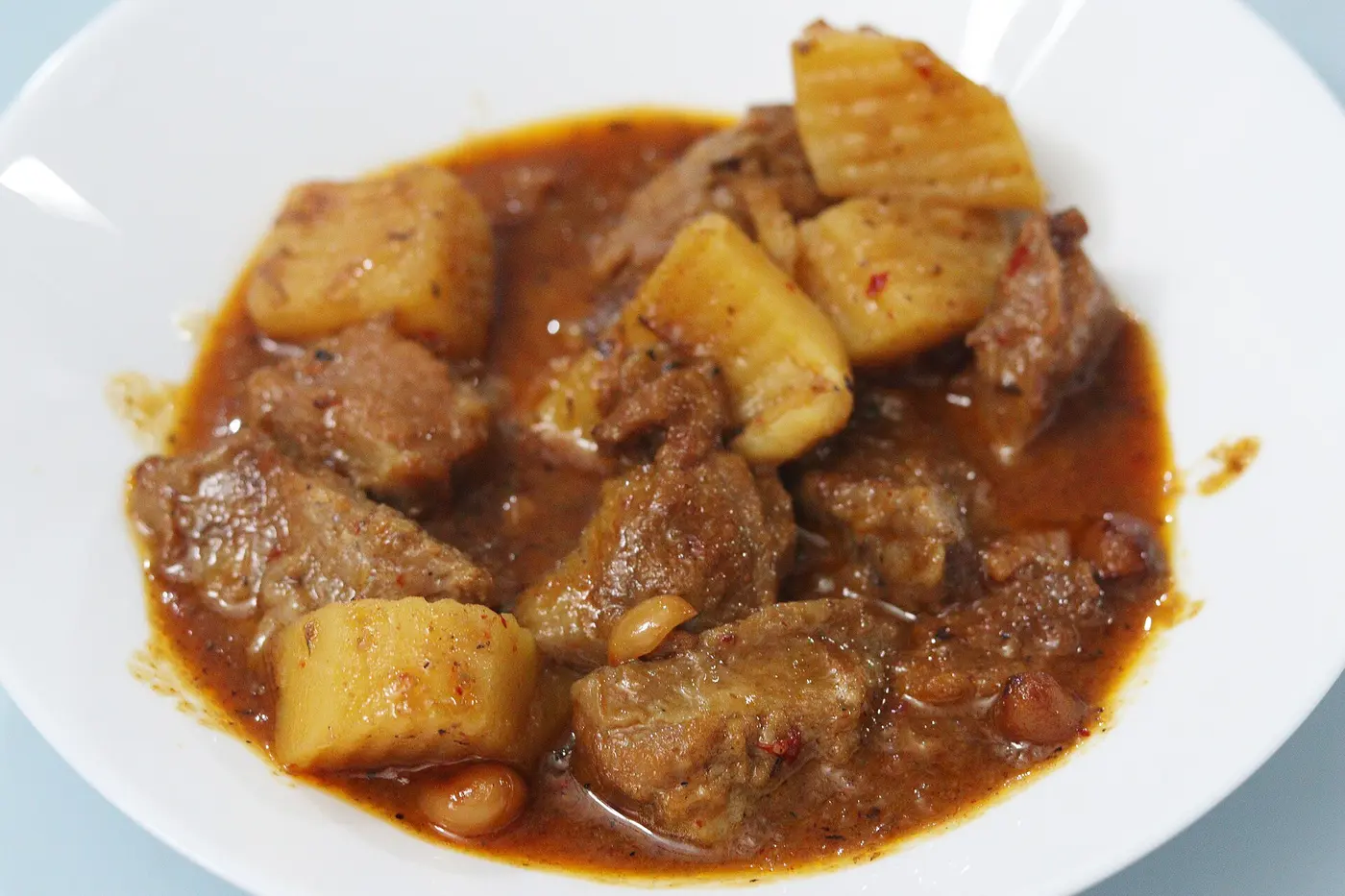
Chinese immigrants brought the wok, noodles and stir-frying, the roots of Pad See Ew, drunken noodles and fried rice. Muslim and Persian traders brought dried spices like cumin, cardamom and cinnamon, the basis of massaman and yellow curries.
Pad Thai is born
In a period of nation-building and rice shortages, rice noodles stir-fried with tamarind, egg and peanuts were promoted as a national dish. Pad Thai went on to become the most famous Thai food in the world.
A global cuisine
Thai food is loved in every major city on earth, and New York has one of the richest Thai dining scenes outside Thailand. In 2024, Tom Yum Kung was inscribed by UNESCO on the Representative List of the Intangible Cultural Heritage of Humanity.
A Meal Is Always Shared
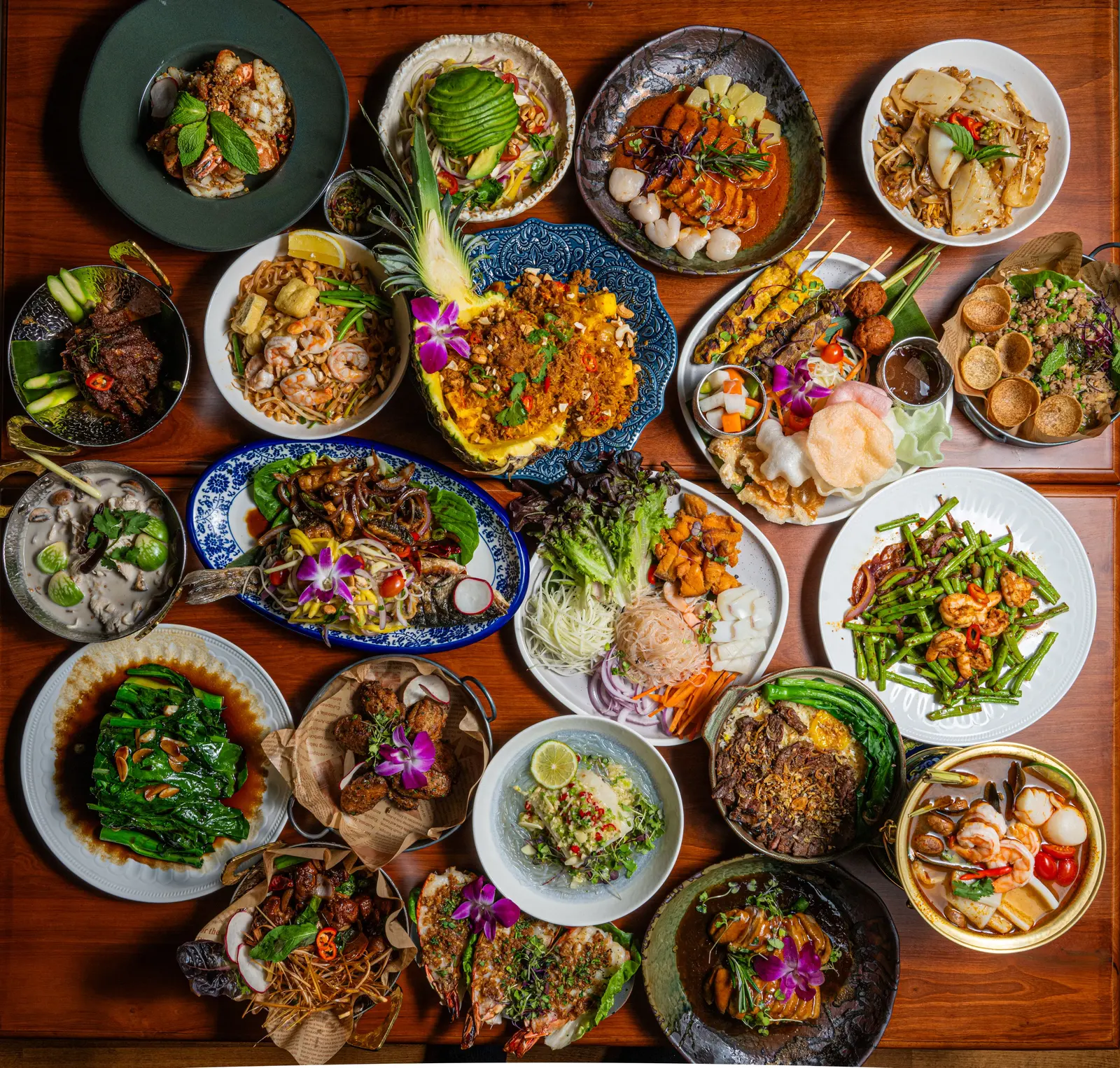
In Thailand, nobody orders "their" dish. A meal is a spread of plates placed in the center of the table, built around rice. Everyone takes a spoonful of this and a spoonful of that, so every bite can be balanced against the last.
A traditional family meal, samrap (สำรับ), might include:
- A soup or curry (gaeng or tom) to spoon over rice
- A stir-fry or fried dish (pad or tod) for texture
- A salad (yum) for sour, fresh brightness
- A dip with vegetables (nam prik with fresh and boiled greens)
- Steamed jasmine rice, or sticky rice in the North and Northeast
Ordering at Elephant Ear: for two people, try one salad, one soup or curry, one stir-fry or chef's special, plus rice. For four, add a second special and an appetizer platter. Ask your server; we love building a table.
How to Eat Thai Food Like a Local
Spoon & fork
Thais eat with a spoon in the right hand and a fork in the left. The fork pushes food onto the spoon, and the spoon goes in the mouth. Knives are not needed; meat is cut in the kitchen.
Chopsticks for noodles
Chopsticks are used mainly for noodle soups and Chinese-influenced noodle dishes. For rice and curry, use the spoon.
Sticky rice by hand
In the North and Isan, sticky rice is rolled into a small ball with the right hand and used to scoop up larb, grilled meats and dips.
Take a little at a time
Serve yourself one or two spoonfuls from a shared plate onto your rice, eat, and go back. Piling your plate is considered greedy.
Season at the table
The Thai condiment caddy, kreung prung, holds fish sauce with chili, chili flakes, sugar and chili vinegar so each diner can adjust noodles to taste.
Rice is sacred
Rice is treated with respect; wasting it is frowned upon. The Thai greeting "gin khao reu yang?" literally asks "Have you eaten rice yet?"
Feasting Is a Thai Art Form
In Chiang Mai, the khantoke dinner serves Northern dishes on low pedestal trays while classical dancers perform. Food in Thailand is never only nourishment; it is hospitality, celebration and respect. We bring that spirit to every table on Ninth Avenue.
Explore Regional Thai FoodThe Methods Behind the Magic
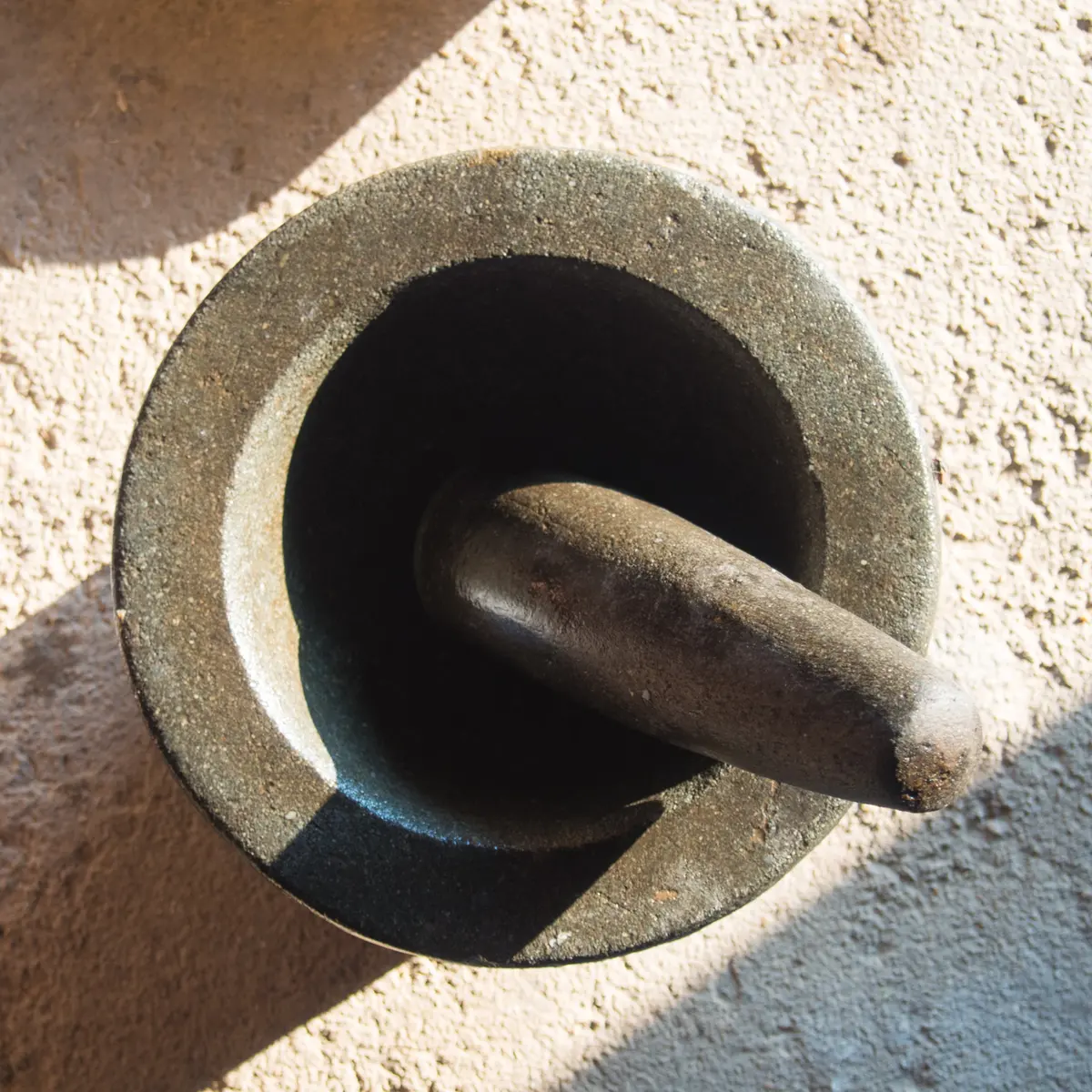
Pounding (tam / khlok)
ตำCurry pastes, chili dips and som tam are made in the mortar, the krok. Pounding crushes herbs and releases their oils in a way no blender can.
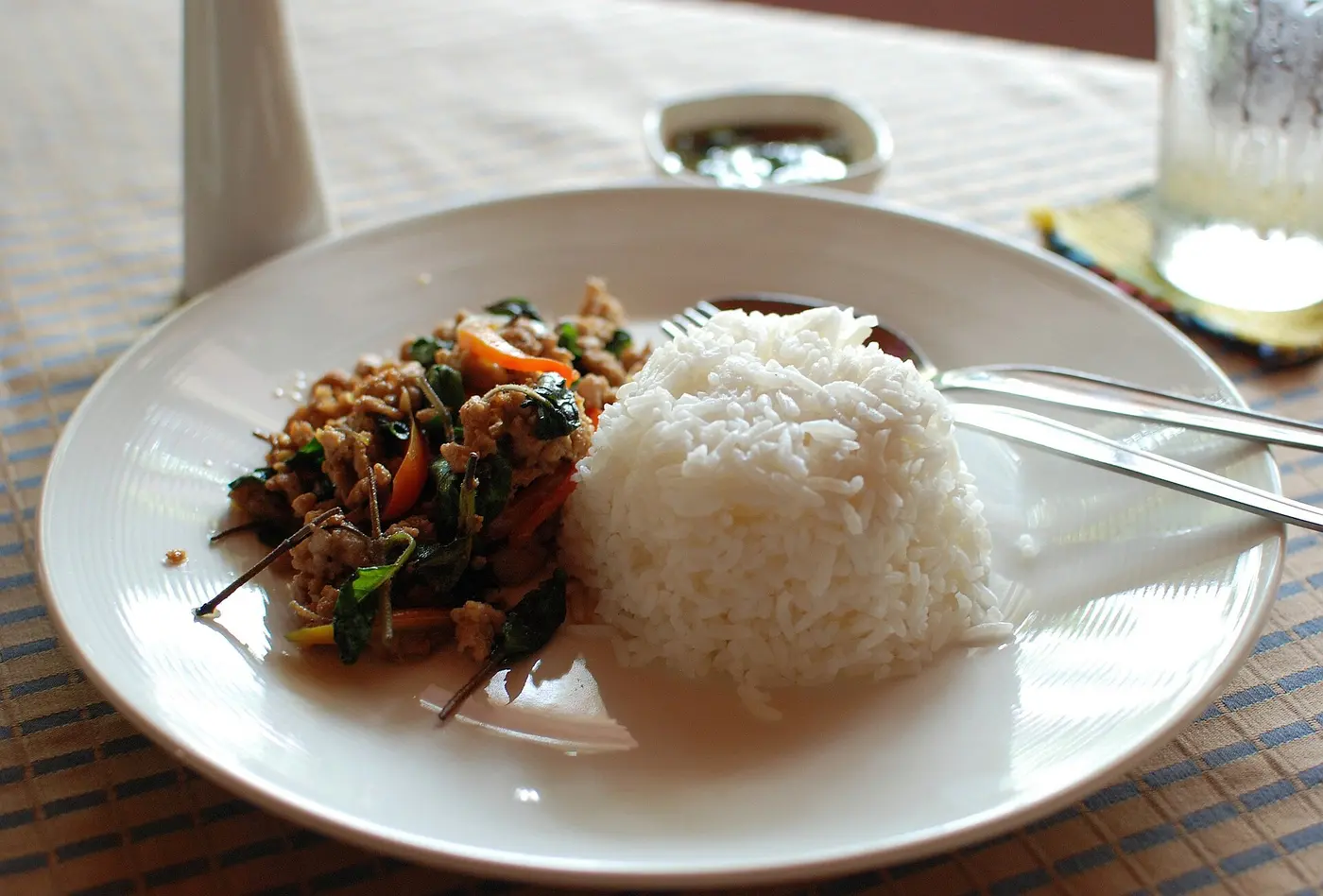
Stir-frying (pad)
ผัดA smoking-hot wok sears quickly, giving the smoky "breath of the wok". Holy basil goes in last so it barely wilts.
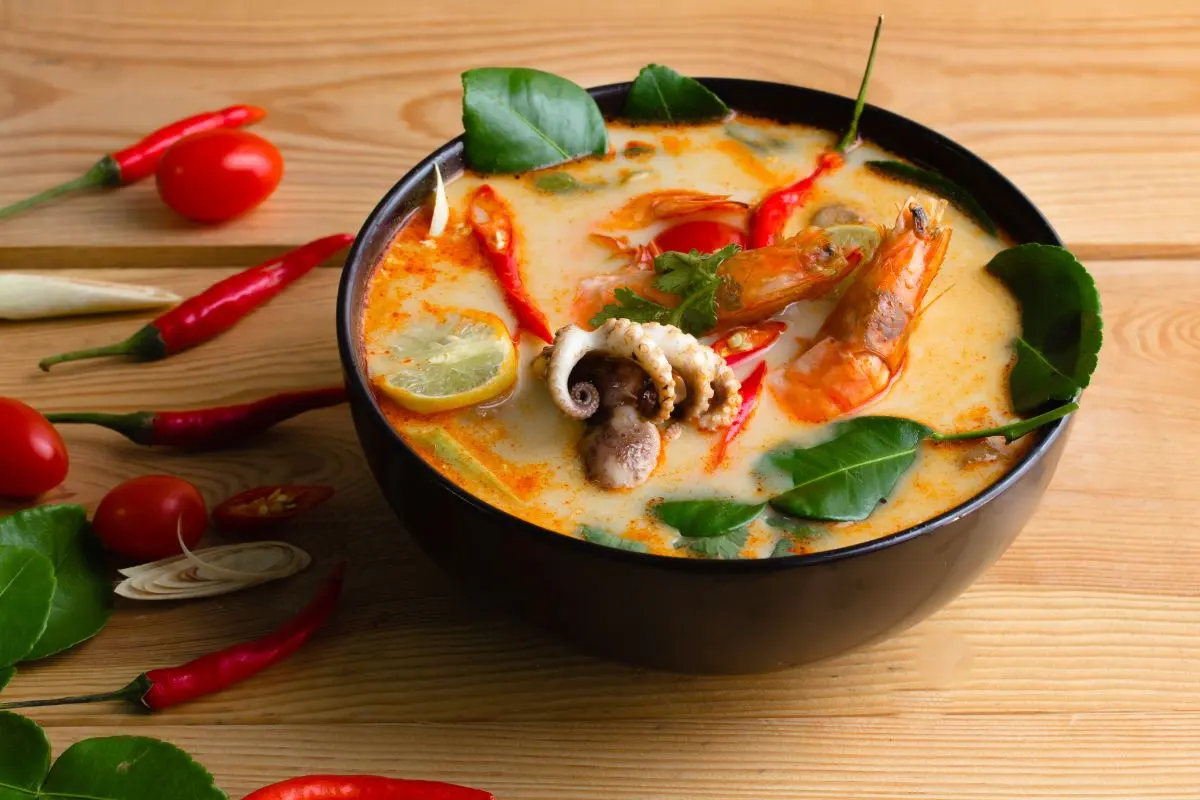
Boiling (tom)
ต้มAromatics are bruised and simmered to perfume a broth; lime is added off the heat to keep it fresh and sharp.
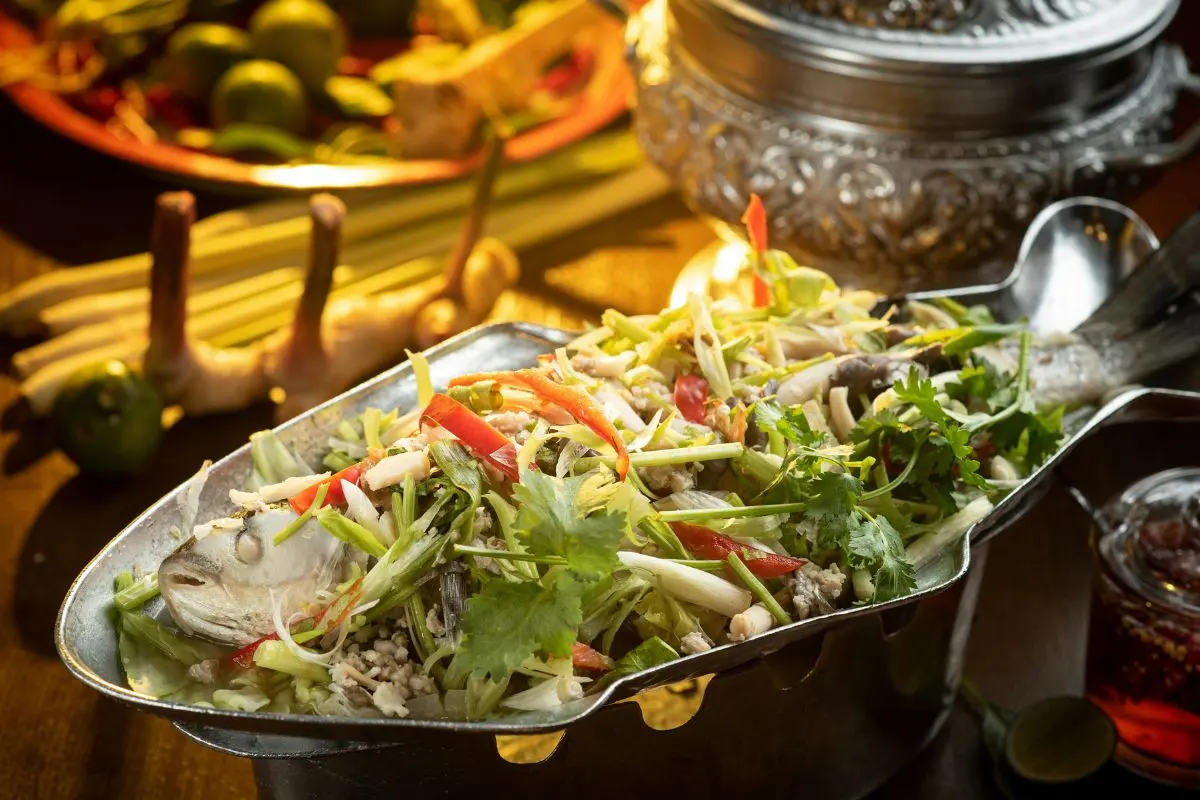
Mixing (yum)
ยำThai salads are "mixed": a dressing of lime, fish sauce, chili and sugar tossed with herbs, meat, seafood or fruit.
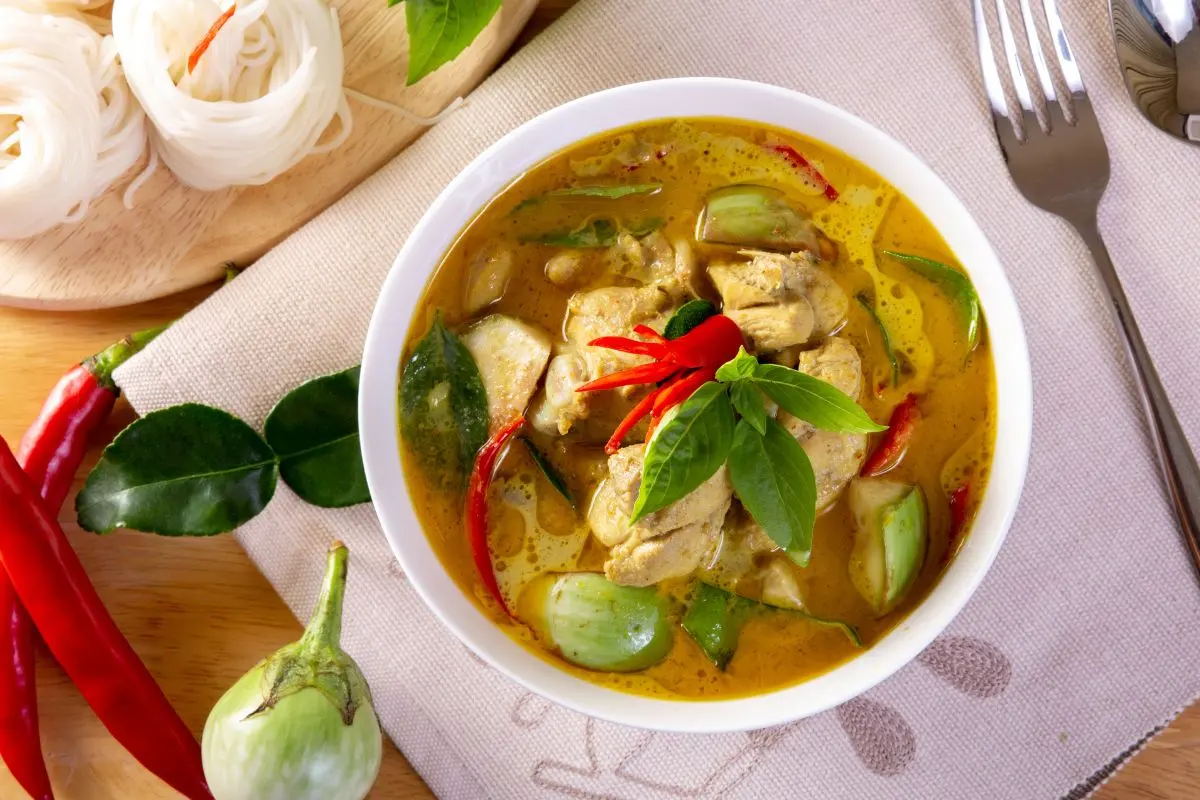
Curry (gaeng)
แกงPaste is fried in "cracked" coconut cream until the oil separates and the aroma blooms, then simmered with coconut milk.
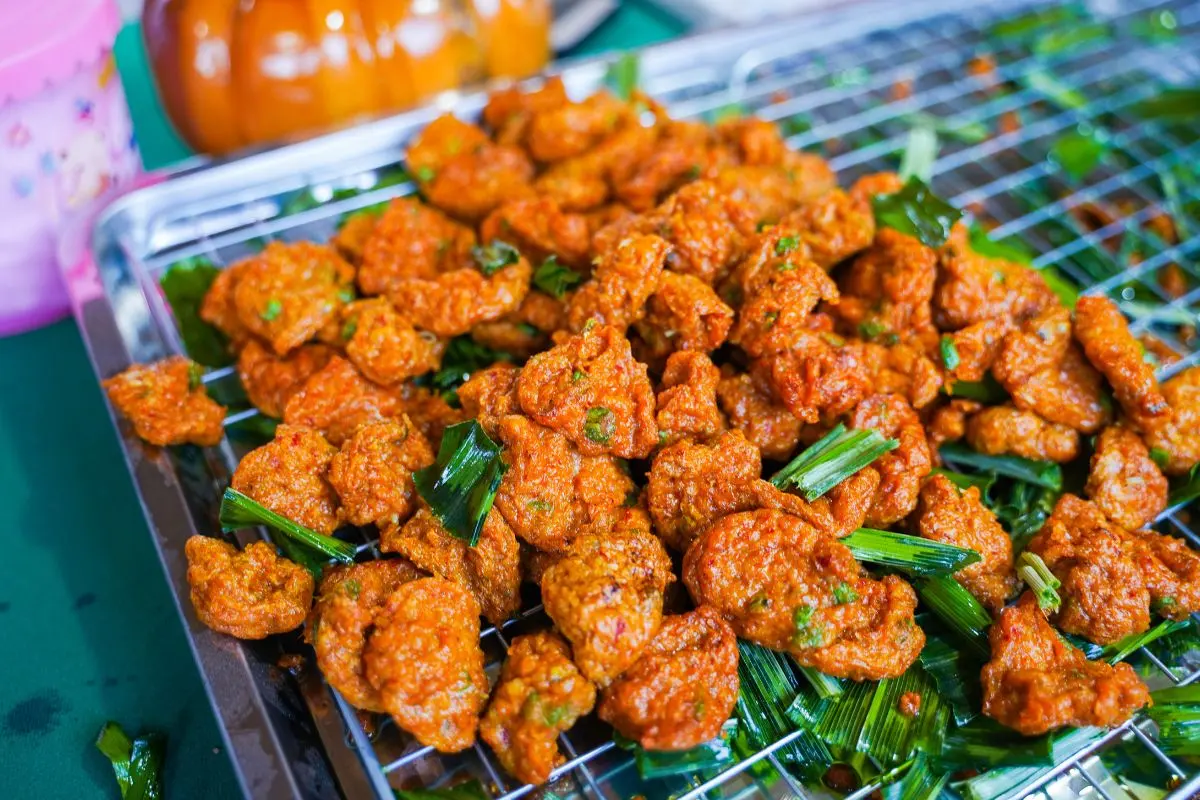
Deep-frying (tod)
ทอดFrom crispy whole fish to fried shallots and garlic, frying adds crunch and a toasty sweetness to balance fresh, sour flavors.
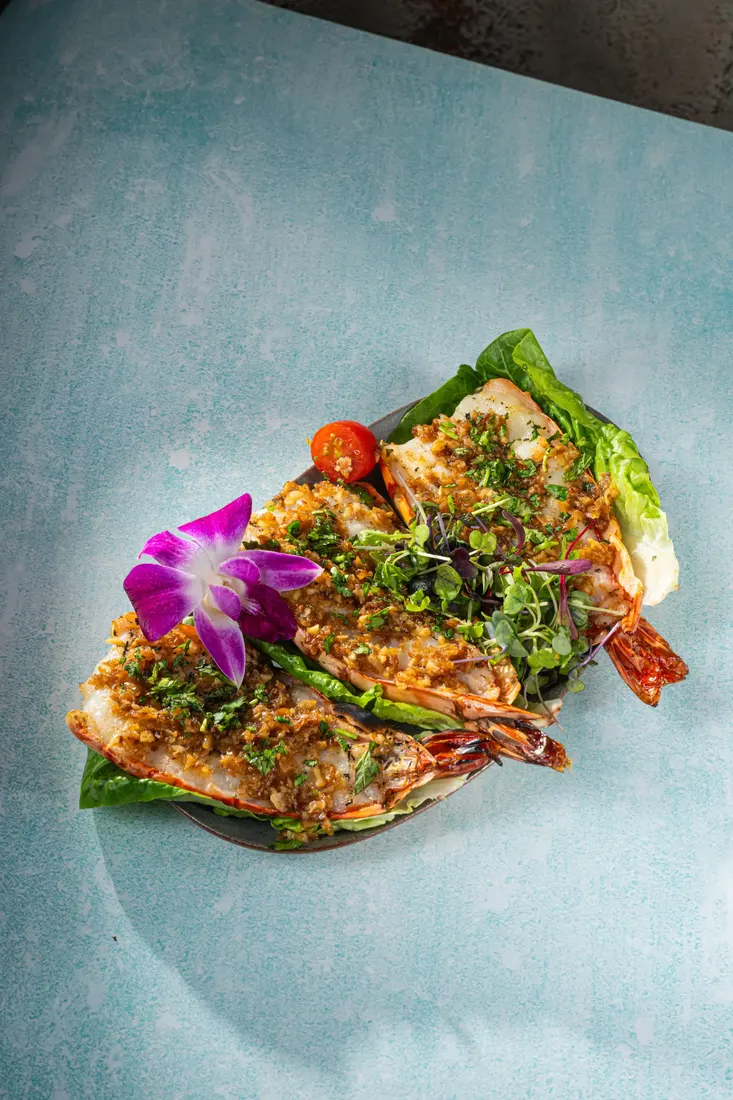
Grilling (yang / ping)
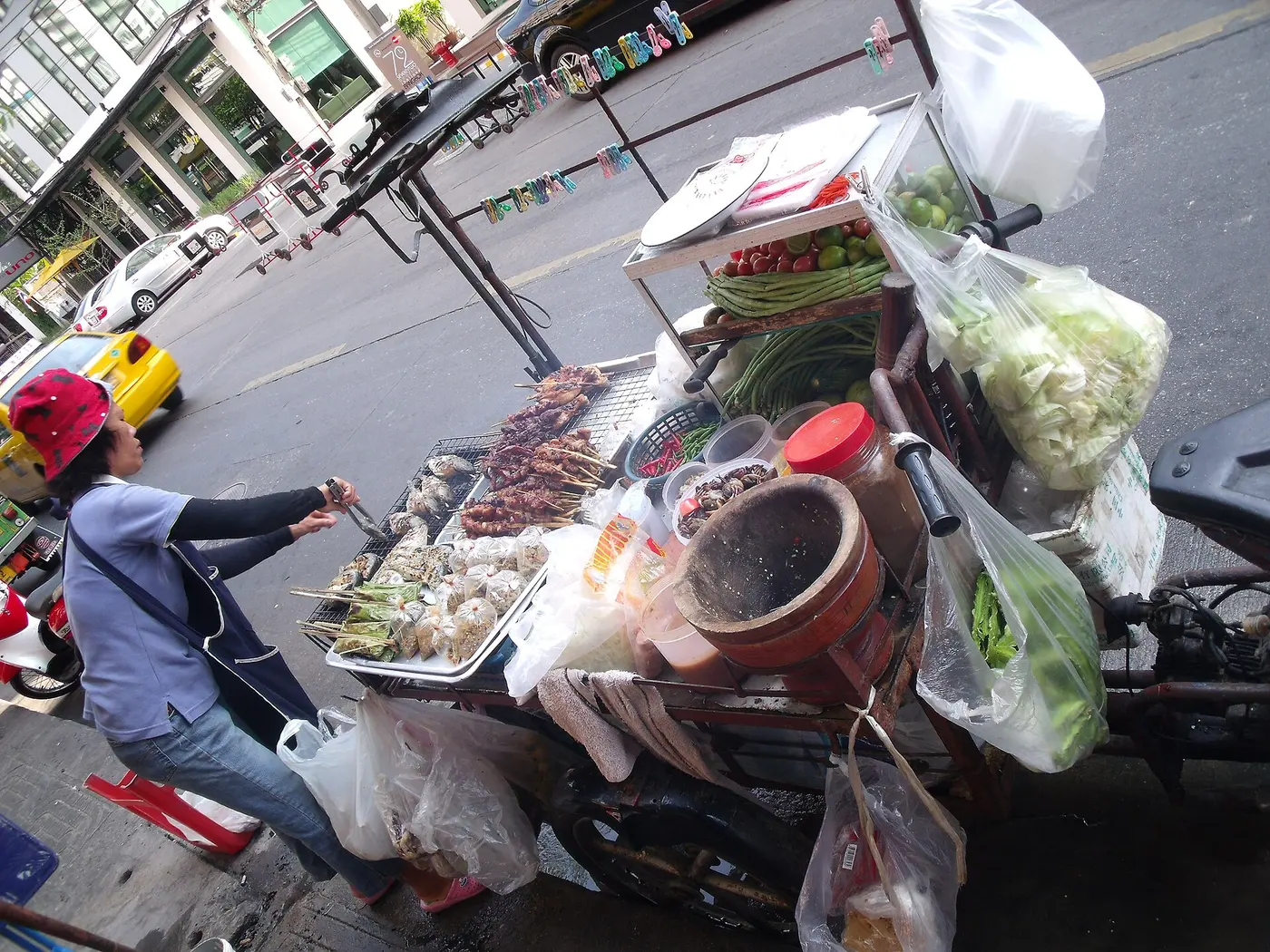
ย่างCharcoal grilling gives satay, gai yang and Crying Tiger beef their smoky crust, always served with a sharp dipping sauce.
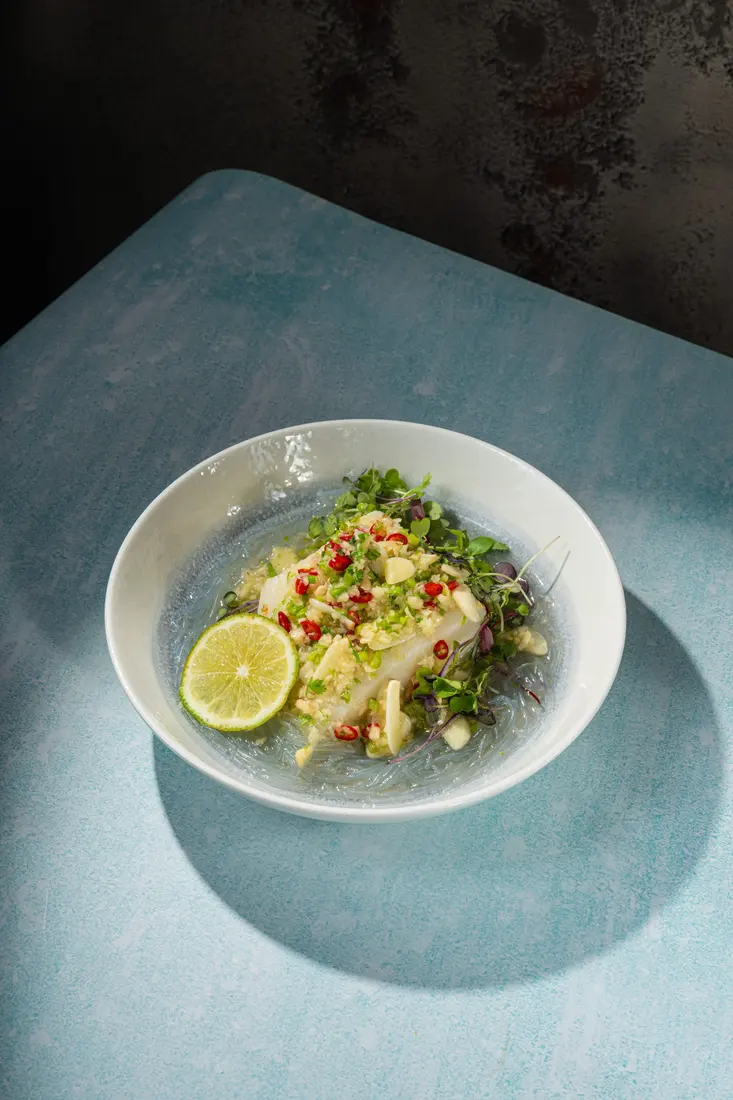
Steaming (neung)
นึ่งWhole fish steamed with lime, garlic and chili, and sticky rice steamed in woven bamboo baskets.
More Guides to Thai Food
The Best Way to Learn Thai Food Is to Eat It
Gather a few friends, order for the table and let us show you how the five flavors come together.