
Herbs, Spices & Ingredients
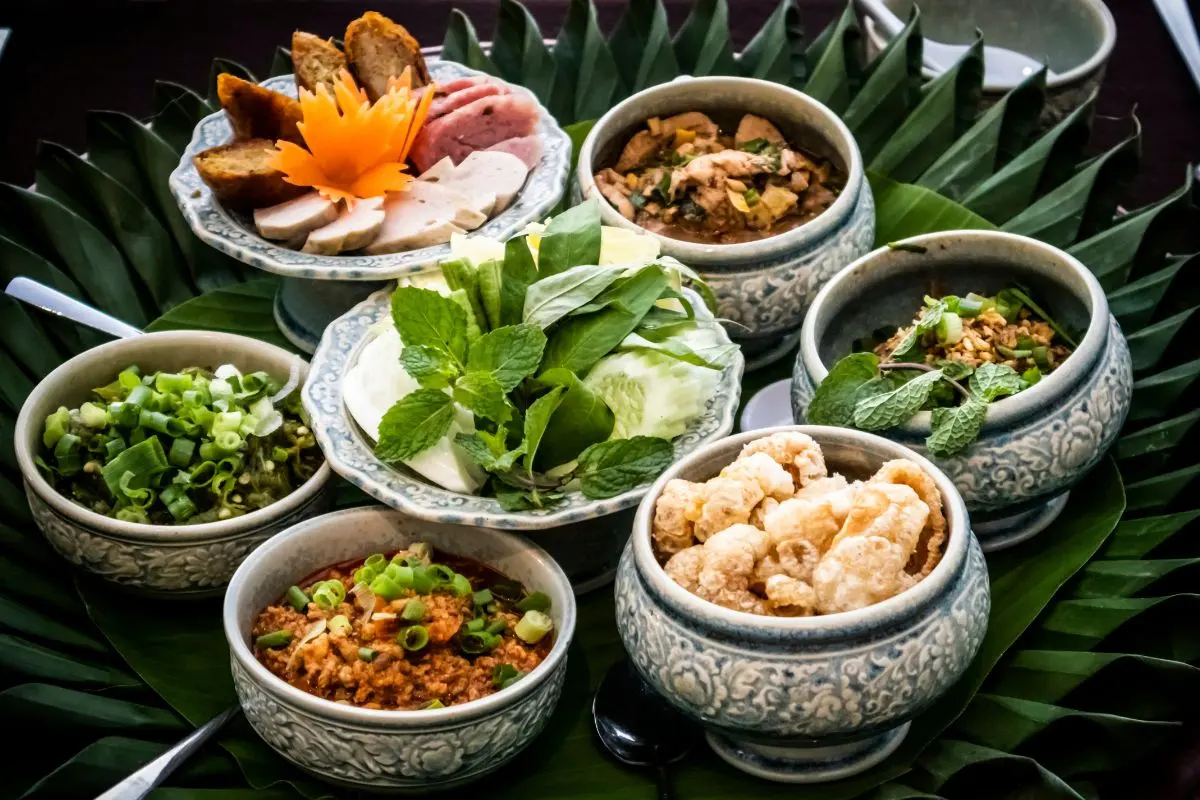
Every Thai flavor begins in the market. Meet the herbs, roots and seasonings our kitchen uses every day.
Flavor Begins in the Market
Thai cooking is built less on technique than on ingredients: fresh roots and leaves, bright citrus, fermented seasonings and fiery chilies.
Many of these ingredients are rarely used in Western kitchens, and none of them can really be substituted. Lemongrass does not taste like lemon; galangal is not ginger; holy basil is not Italian basil. Learning them is the key to understanding why a Thai dish tastes the way it does.
At Elephant Ear we use premium meat and seafood and keep a pantry of authentic Thai seasonings, so the flavors on your plate are true to their origin.
Fresh Herbs, Roots & Leaves
Pounded together, lemongrass, galangal and makrut lime form the aromatic base of Tom Yum, Tom Kha and most curry pastes.
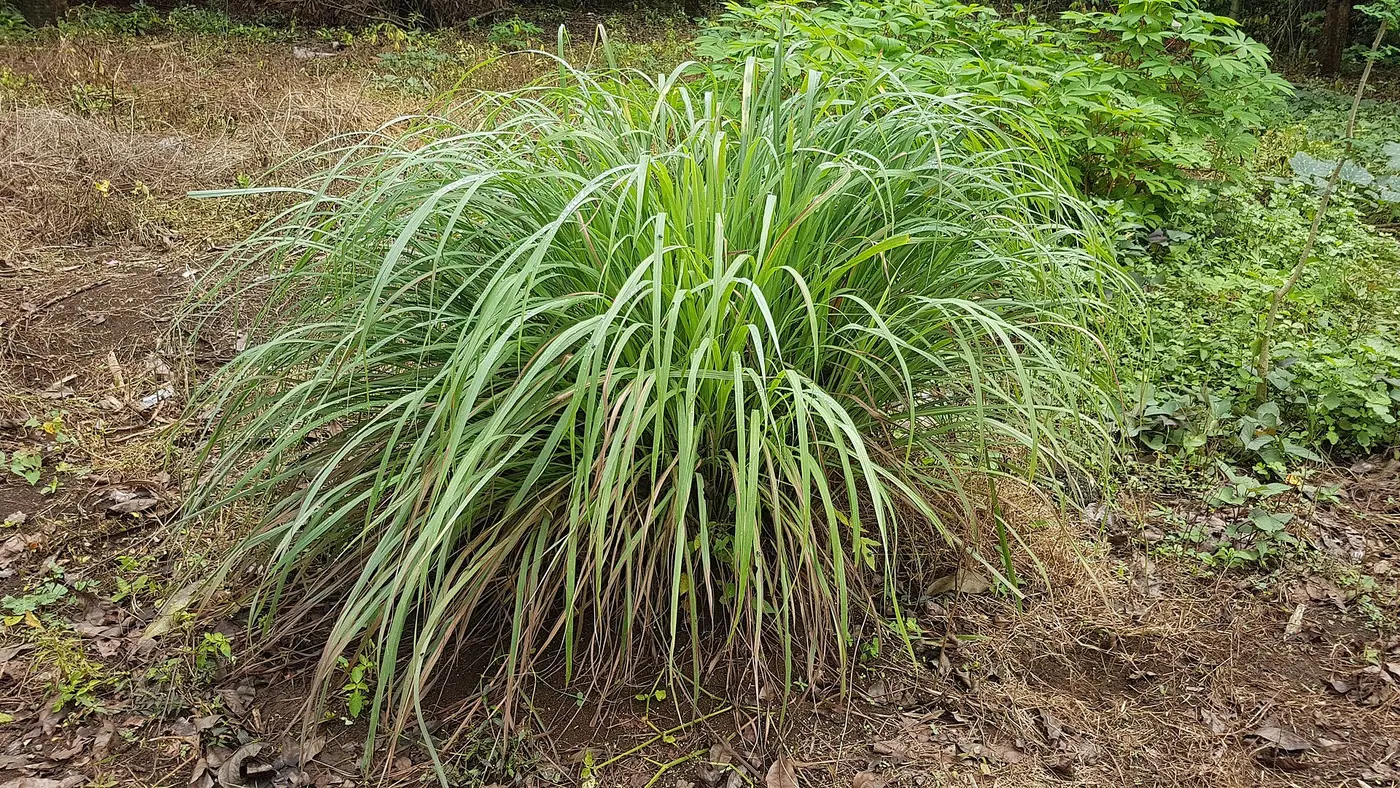
Lemongrass
ตะไคร้ · ta kraiA grass whose pale lower stalk carries a clean citrus perfume. Bruised and simmered in soups, pounded into pastes, or shaved and fried crisp as in our crispy lemongrass chicken.
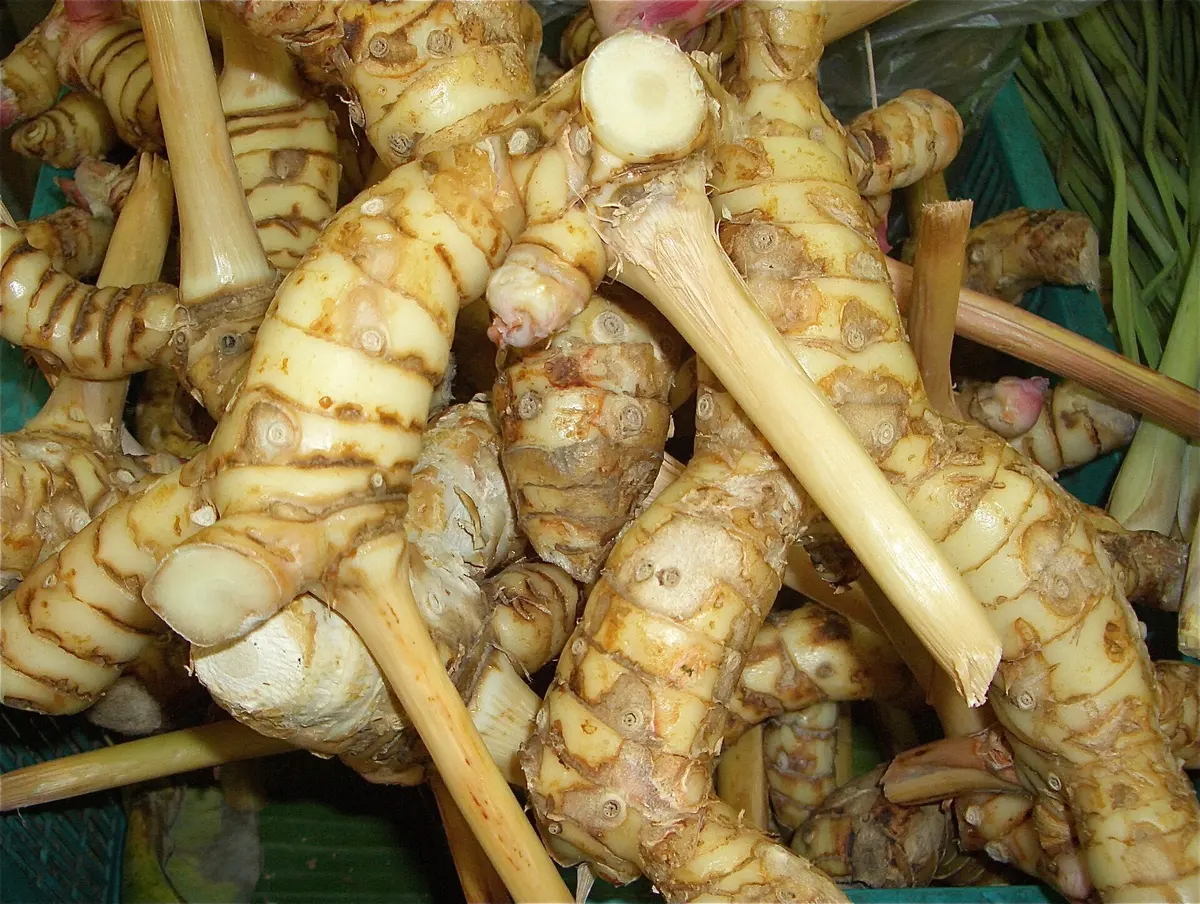
Galangal
ข่า · khaA cousin of ginger with a sharper, piney, peppery flavor. The defining taste of Tom Kha (literally "galangal soup") and a backbone of red and green curry pastes.
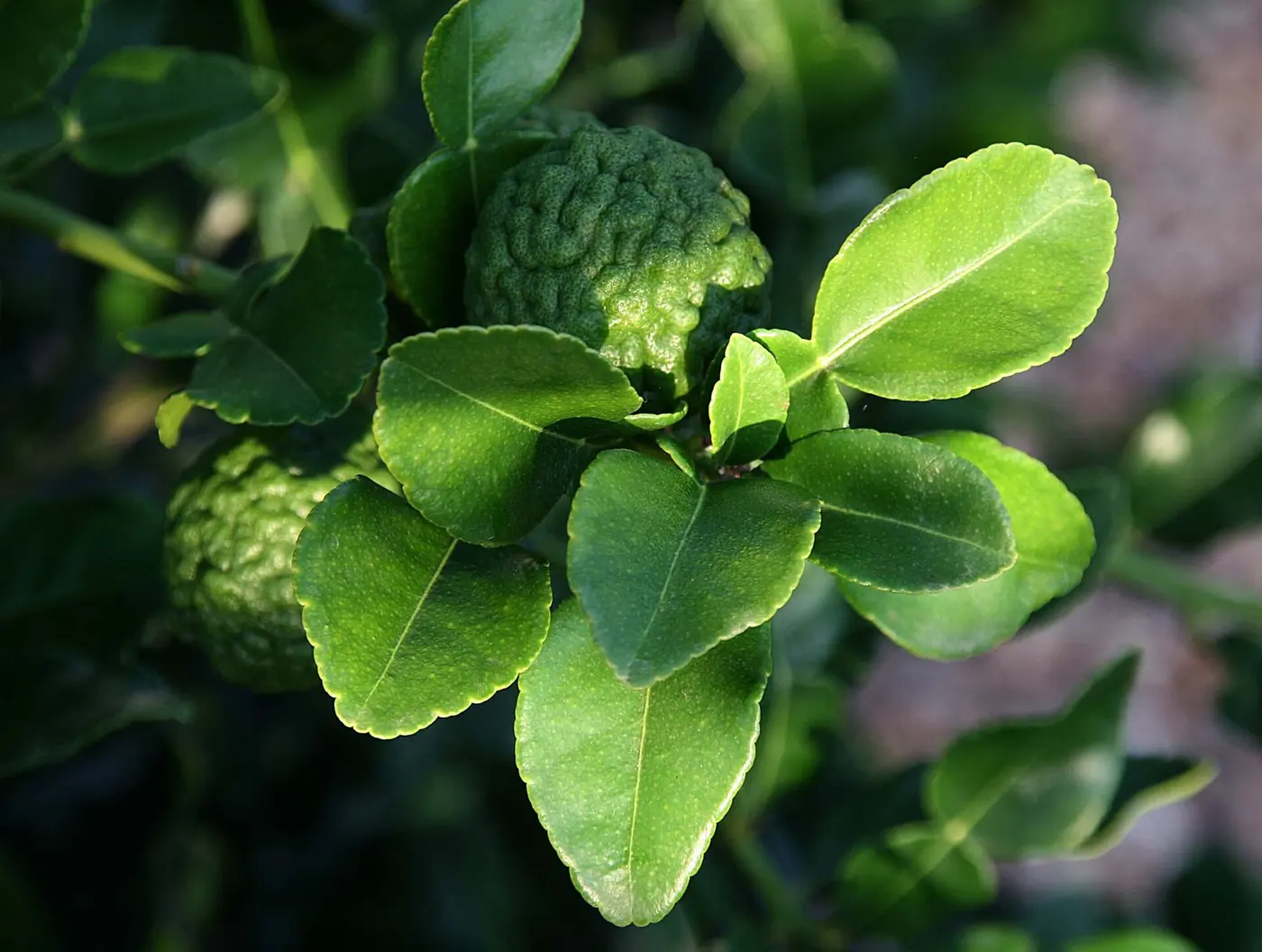
Makrut Lime
มะกรูด · makrutThe double-lobed leaves are torn into soups and curries or shredded fine over salads; the bumpy rind goes into curry paste. Its fragrance is floral, intense and unmistakably Thai.
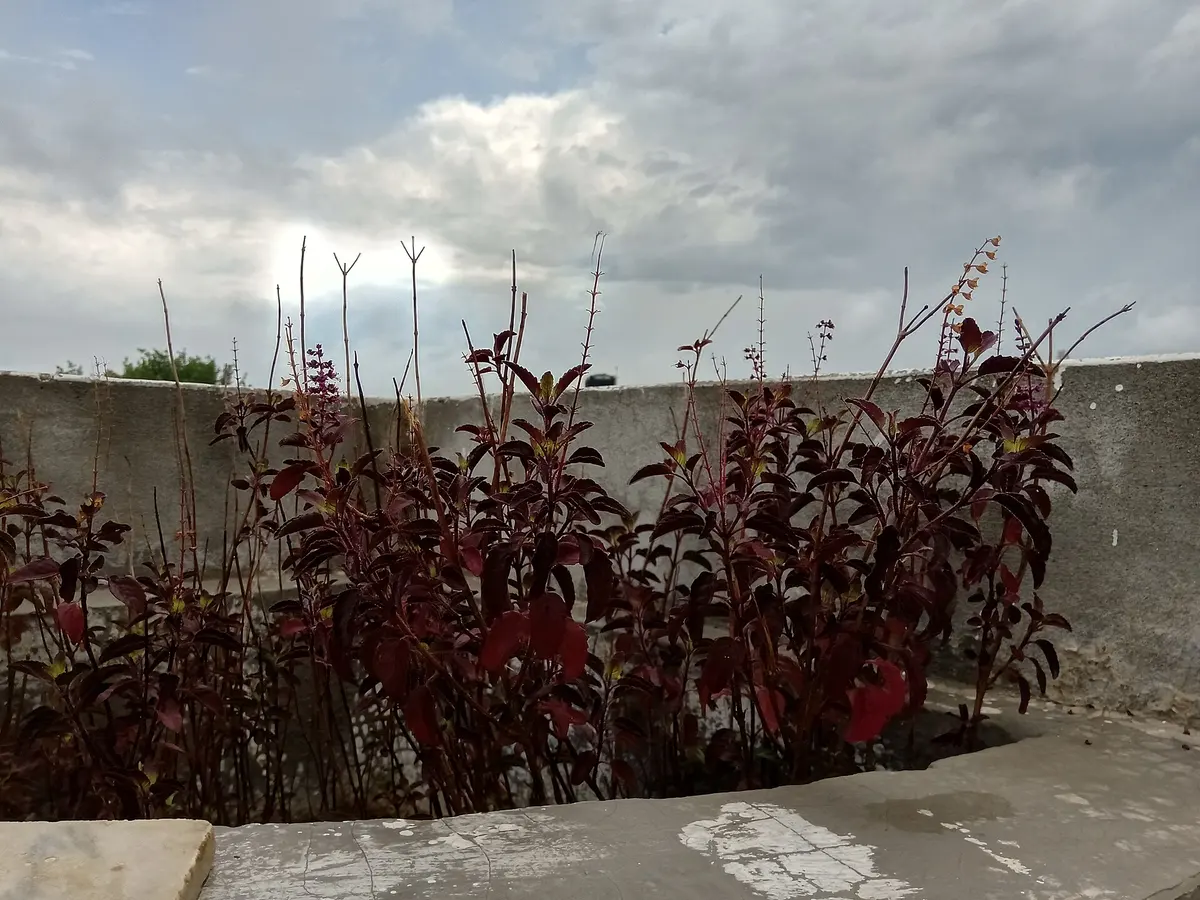
Holy Basil
กะเพรา · kra paoPeppery, clove-like basil that gives pad kra pao its name. We use it with crispy pork belly, crispy chicken and our basil fried rice.
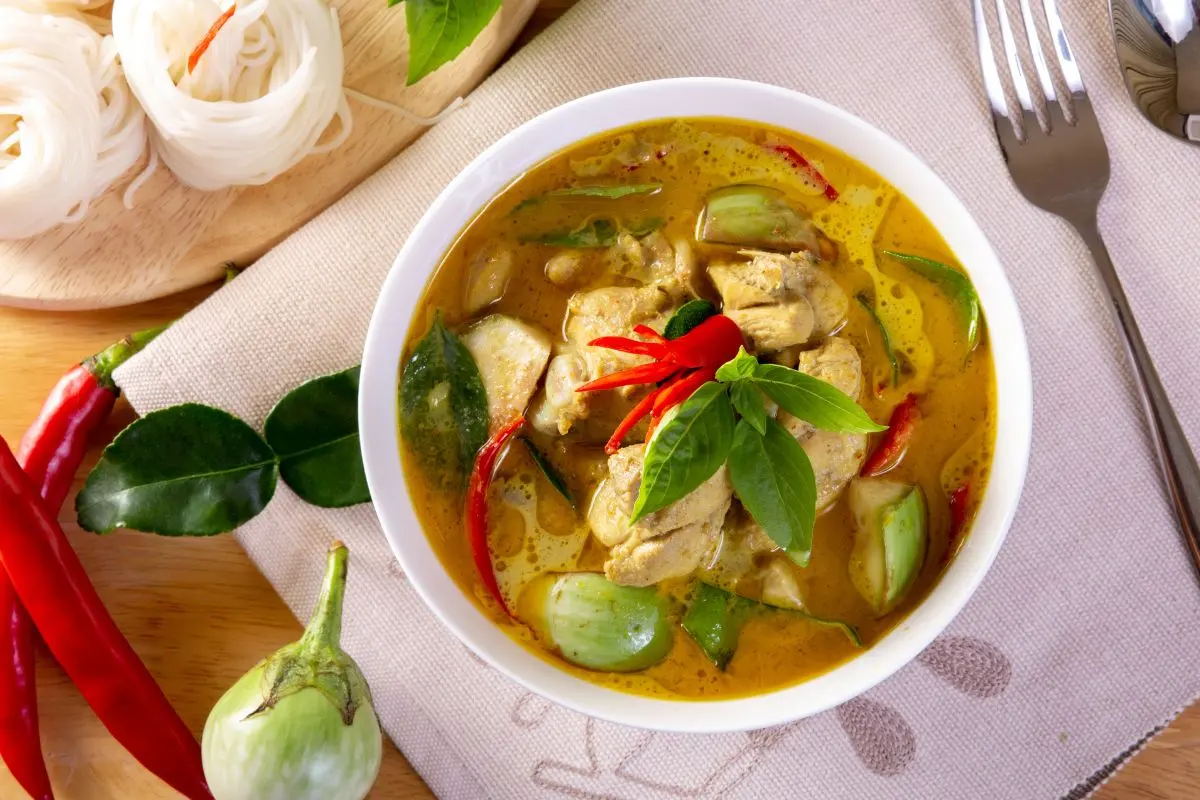
Thai Sweet Basil
โหระพา · horaphaAnise-scented basil with purple stems, added to green curry, red curry and noodle soups at the last moment.
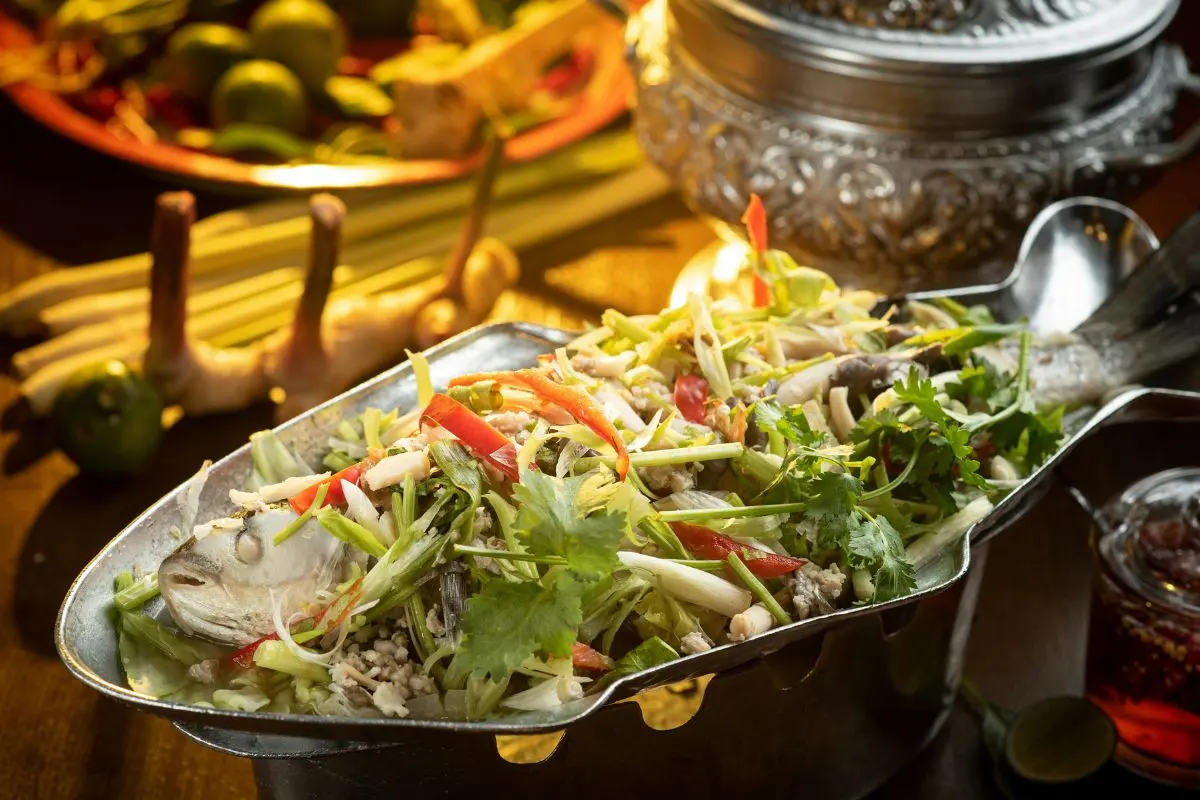
Cilantro & Its Root
ผักชี · phak chiLeaves garnish everything; the intensely flavored roots are pounded with garlic and white pepper into the classic Thai marinade, sam gler.
The Chilies of Thailand
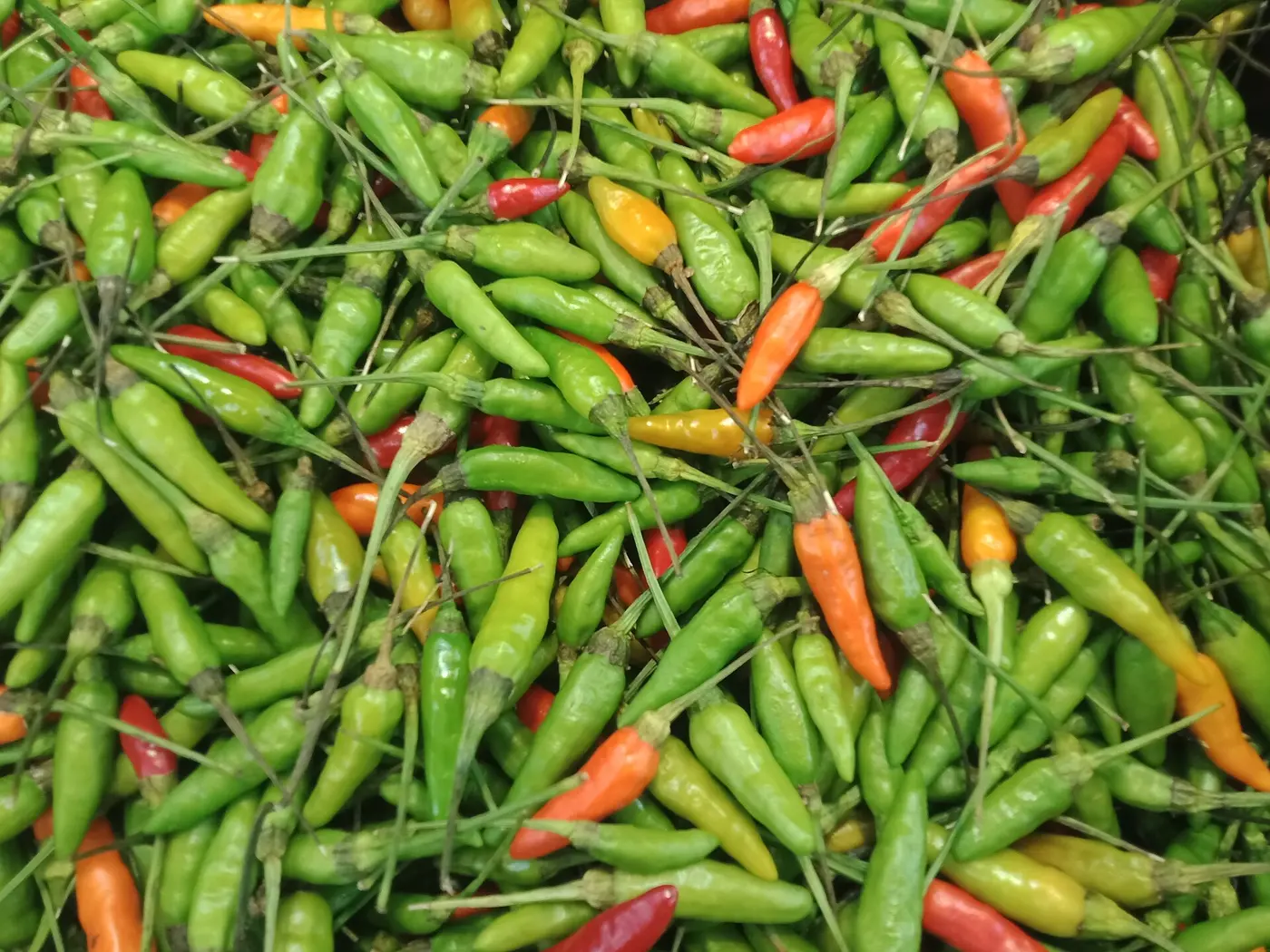
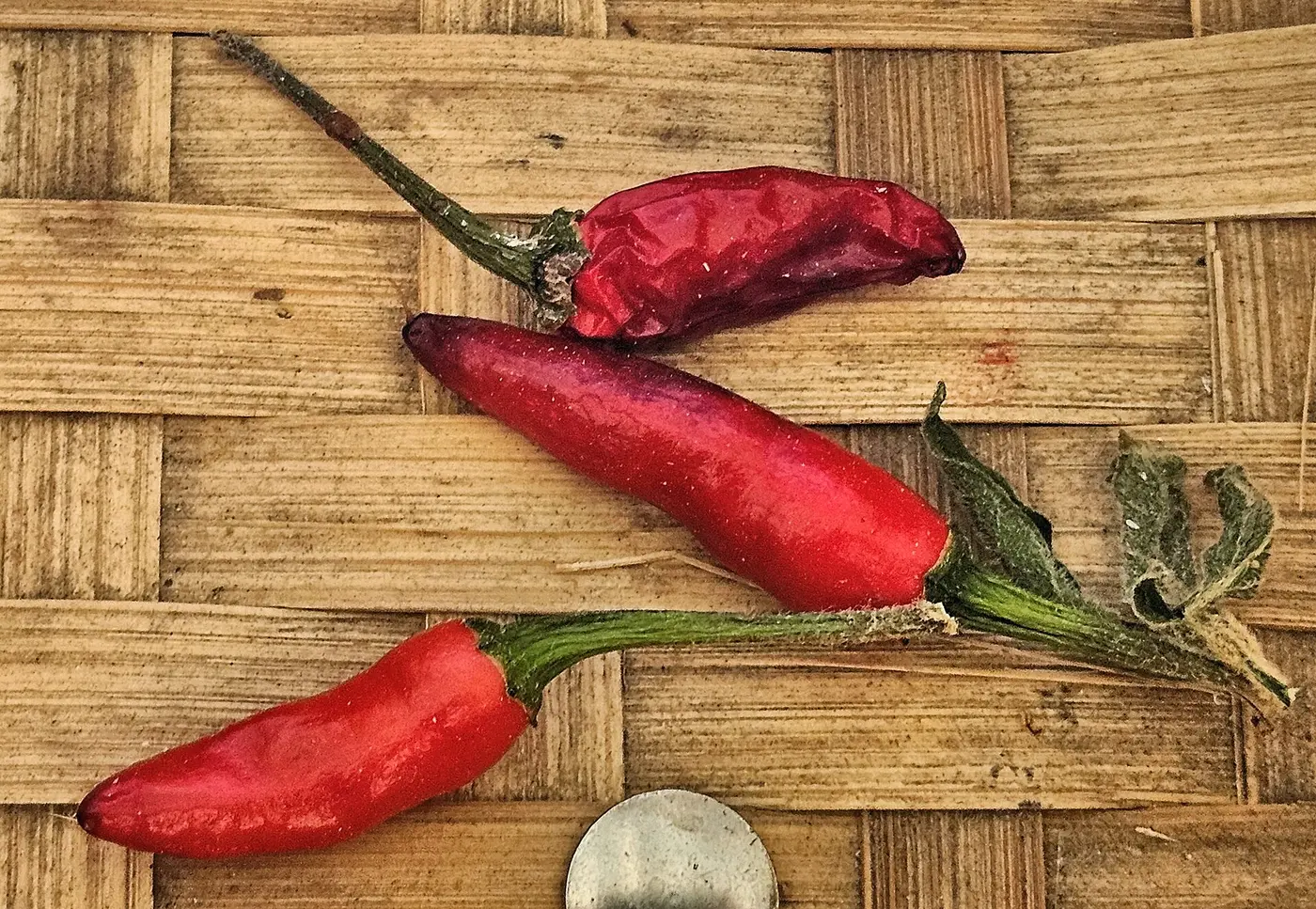
Chilies arrived in Thailand in the 16th century and conquered the cuisine. Thai cooks use them in several forms, each with a different kind of heat:
- Bird's eye chili (พริกขี้หนู, prik kee noo): tiny, fierce and fruity. Pounded into som tam, sliced into fish sauce, smashed into stir-fries.
- Long chili (prik chee fah): milder, used for color and gentle heat, as in our basil fried rice.
- Dried red chili (prik haeng): soaked and pounded into red curry paste, or toasted and ground into chili flakes for goong prik kula.
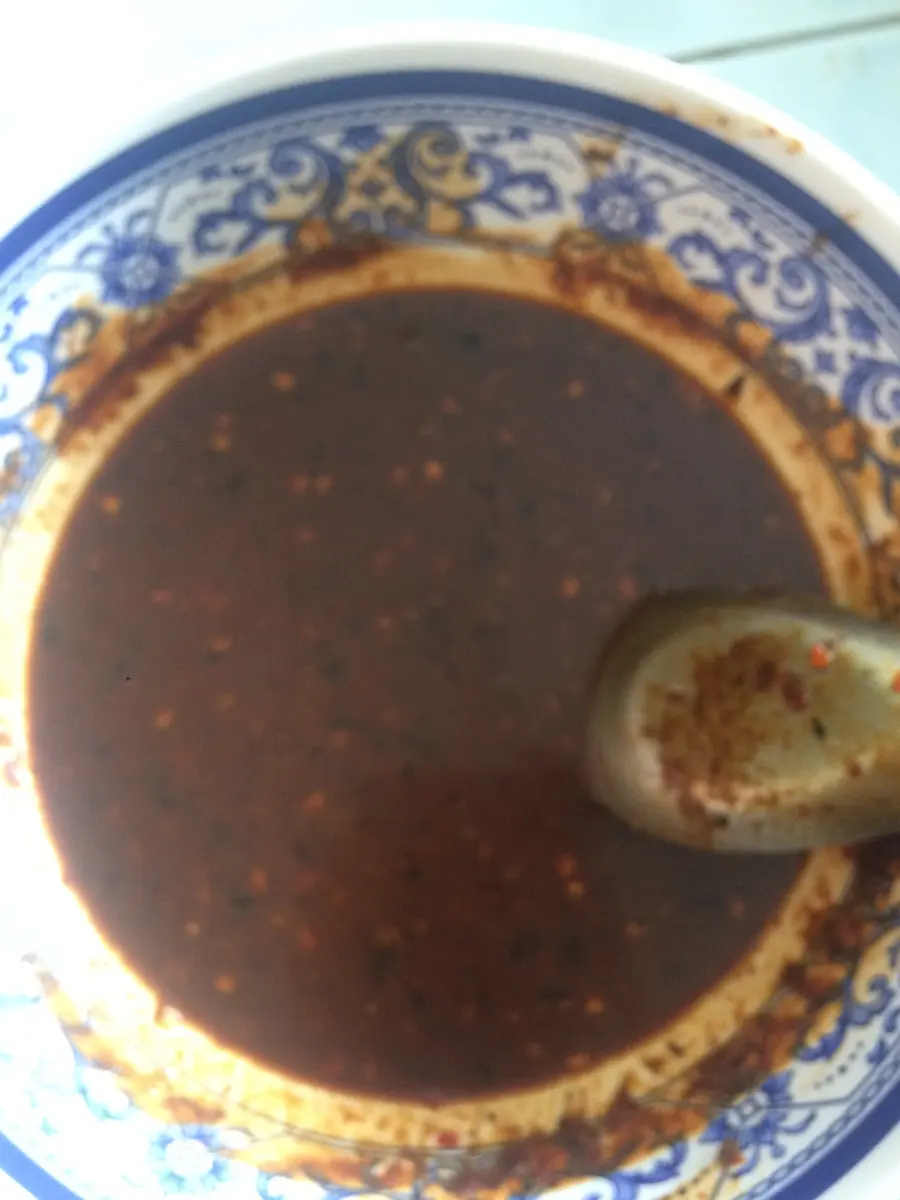
- Chili in vinegar or fish sauce: prik nam pla, the condiment found on every Thai table.
At Elephant Ear, most dishes can be made mild, medium or "Thai hot". Just tell your server.
Seasonings That Build Depth
Fish Sauce
น้ำปลา · nam plaAnchovies fermented with salt for many months. It smells strong in the bottle, but in cooking it becomes pure savory depth. Thailand's essential salt.
Shrimp Paste
กะปิ · kapiFermented ground shrimp, pressed into a dense paste. A small amount gives curry pastes and chili dips their rich, oceanic backbone.
Palm Sugar
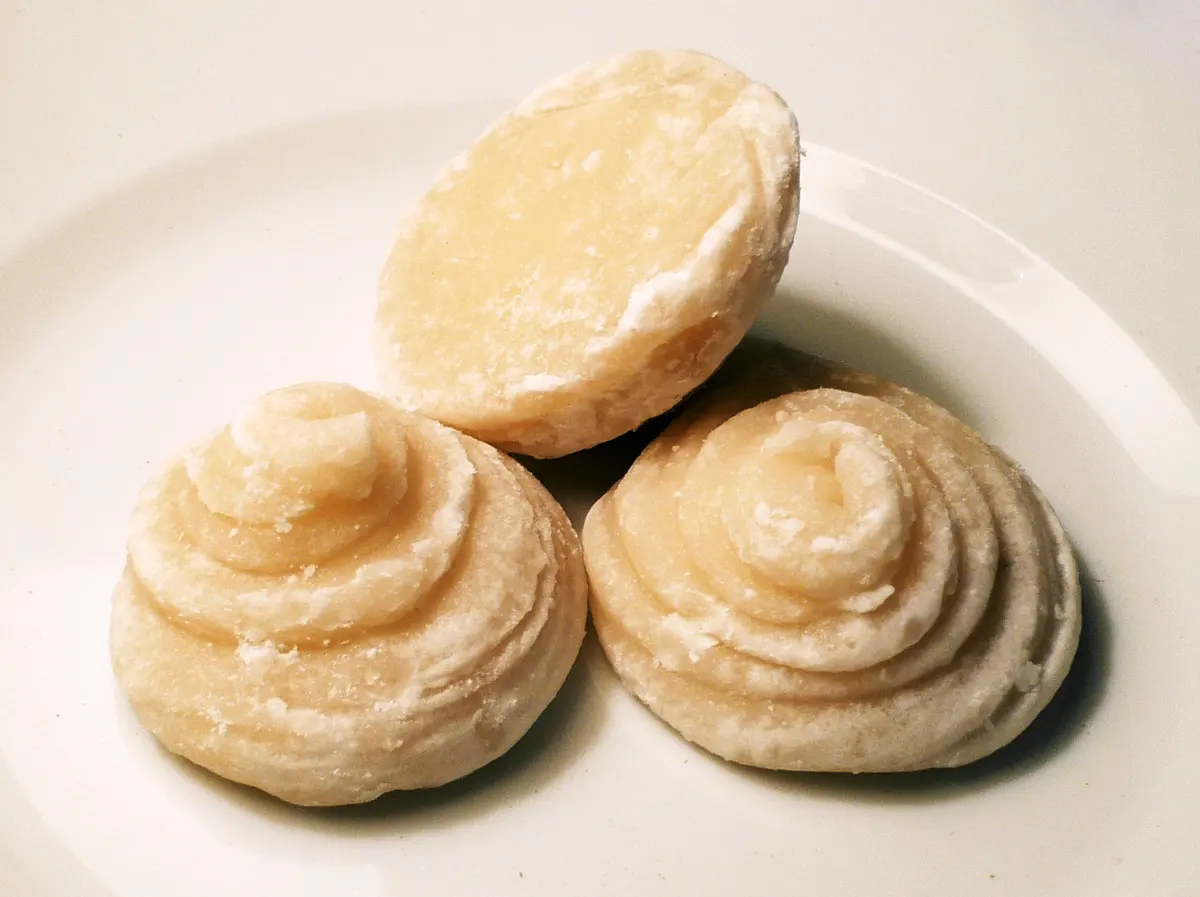
น้ำตาลปี๊บ · nam tan pipMade from the sap of palm trees and sold in soft cakes. Its caramel, slightly smoky sweetness rounds out dressings like the one on our mango avocado salad.
Tamarind
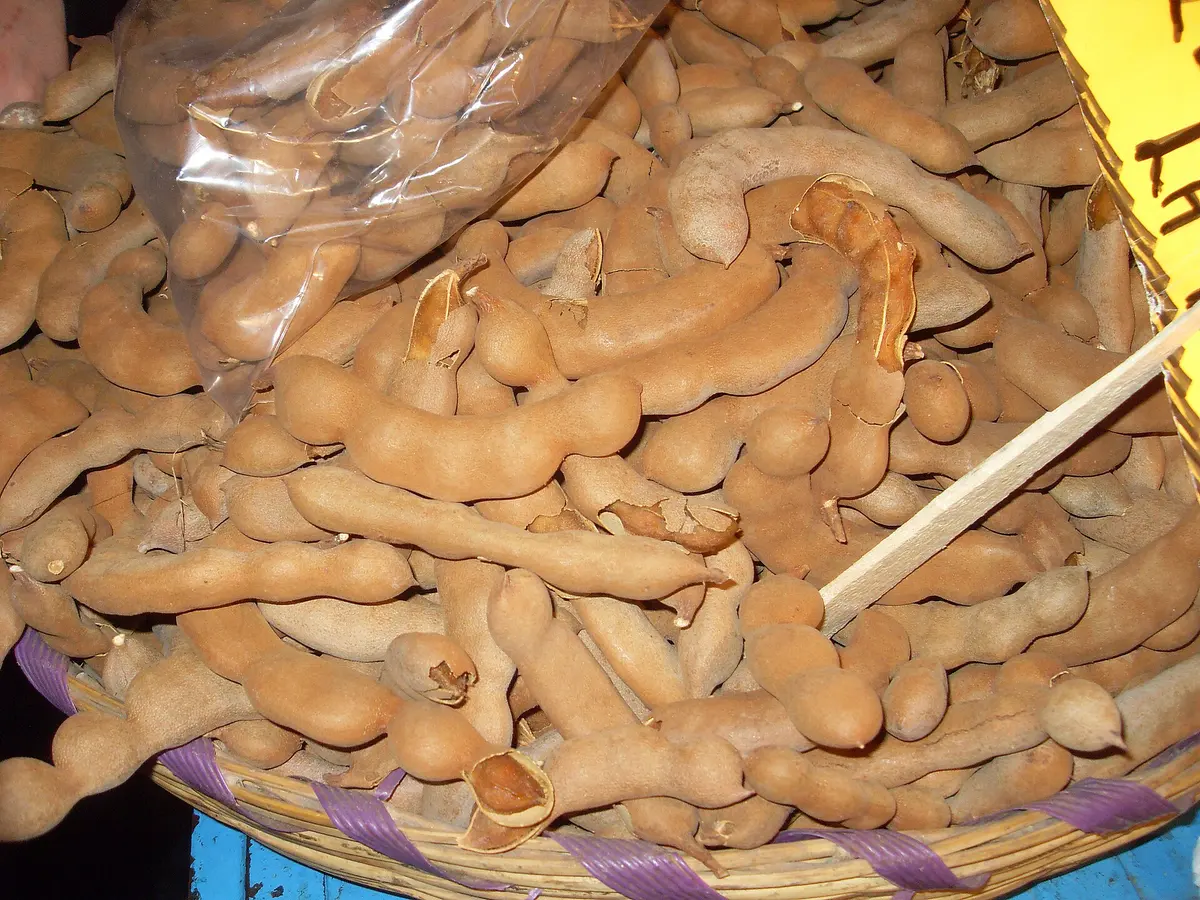
มะขาม · makhamThe sticky pulp of tamarind pods gives a deep, fruity sourness. It is the soul of Pad Thai sauce, our duck tamarind and the fried whole tamarind branzino.
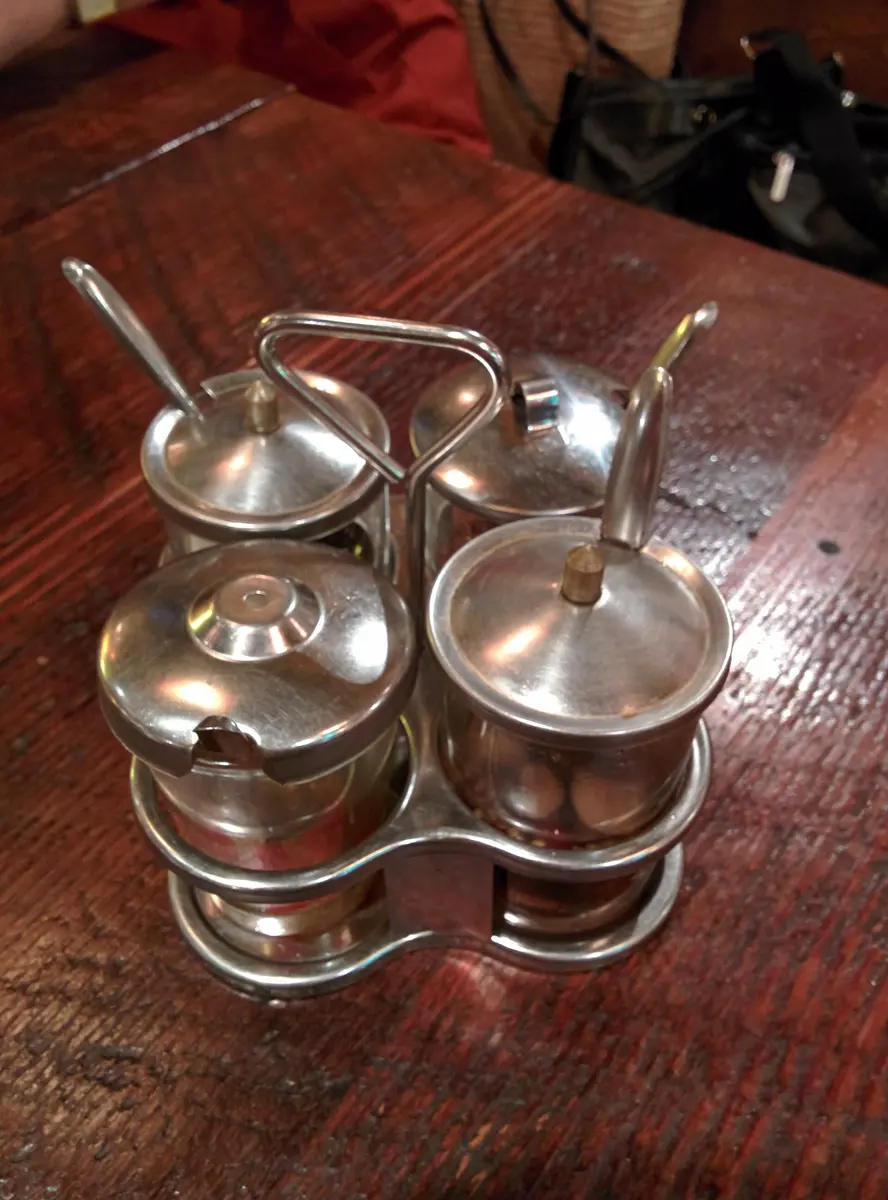
The Condiment Caddy
เครื่องปรุง · kreung prungFish sauce with chilies, chili flakes, sugar and vinegar with chilies: the four jars that let every diner season their noodles exactly to taste.
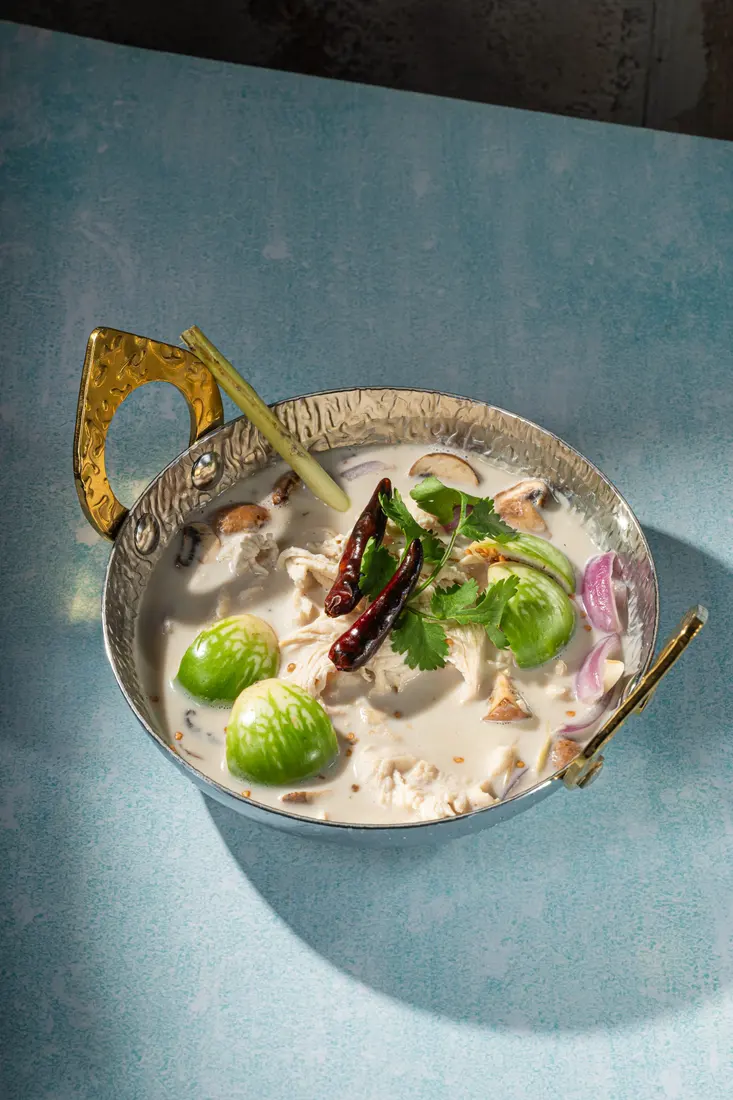
Coconut Milk & Cream
กะทิ · katiPressed from grated coconut. The thick cream is fried with curry paste until it "cracks"; the thinner milk simmers soups like Tom Kha and our coconut chicken soup.
Rice: The Center of Every Meal
In Thai, "to eat" is gin khao, literally "to eat rice". Every dish exists to accompany it.
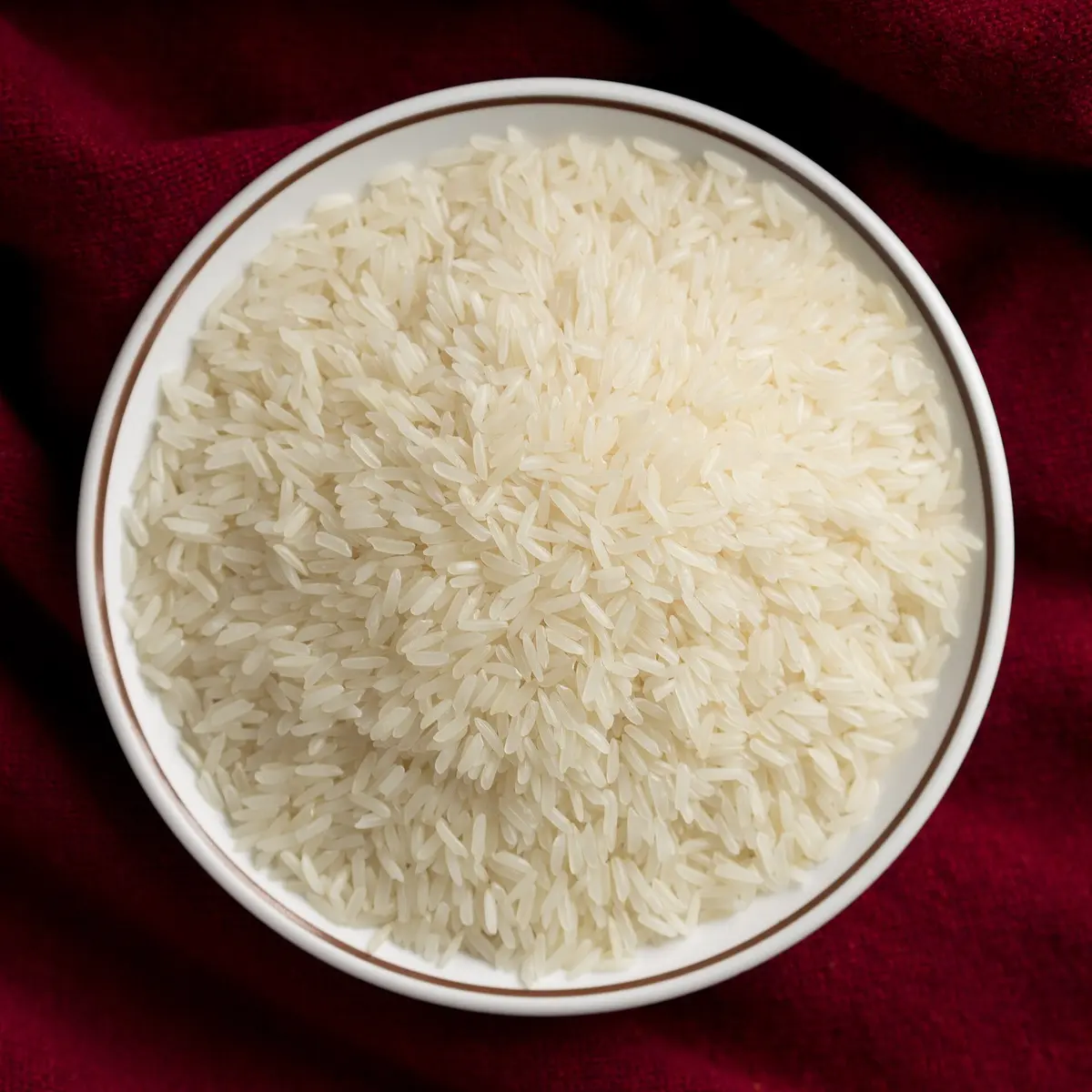
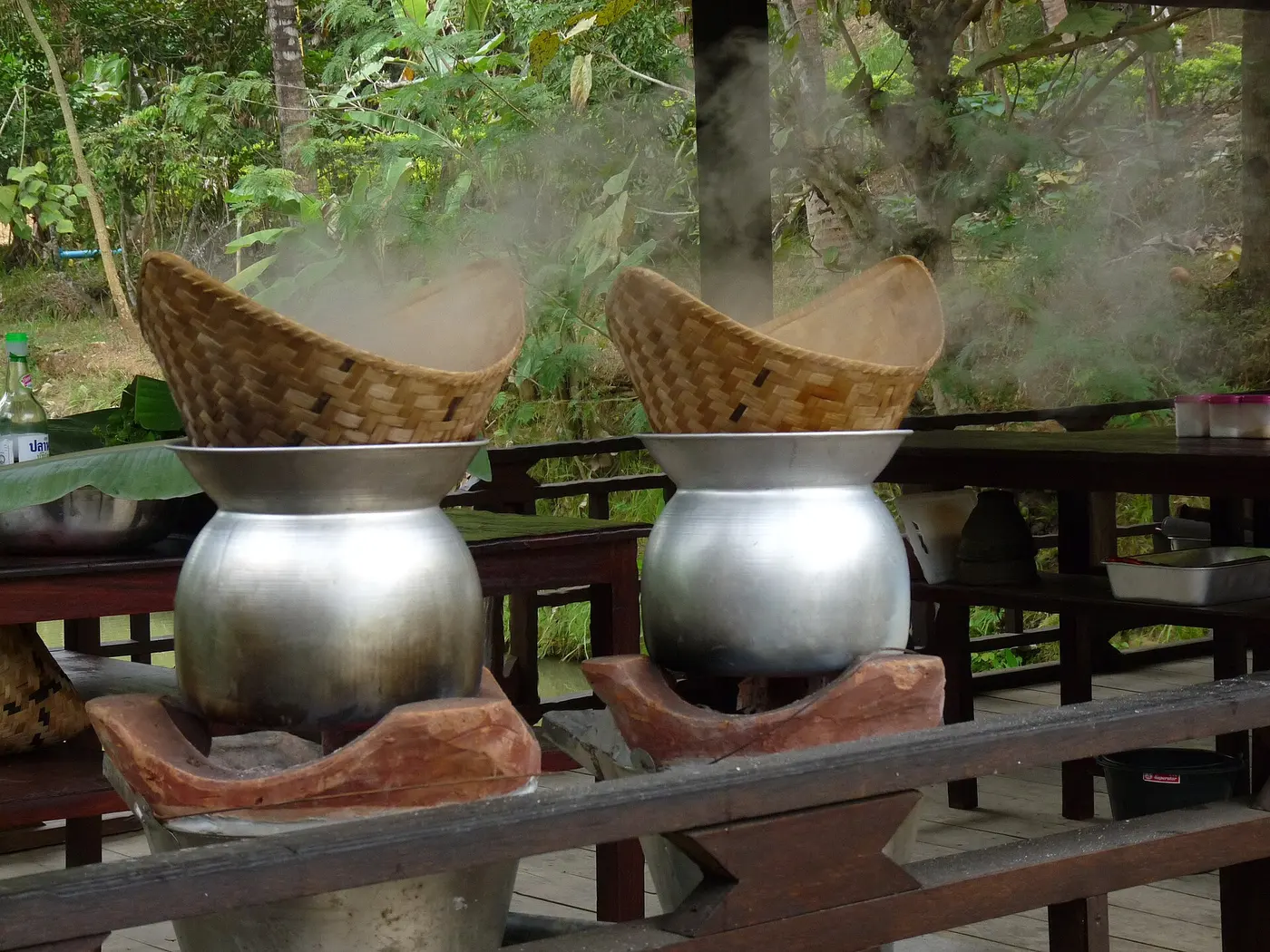
Hom mali jasmine rice (ข้าวหอมมะลิ), grown largely in the northeast, is long-grained and naturally fragrant, and it is served across Central and Southern Thailand. Sticky rice (khao niao) is soaked overnight and steamed in bamboo baskets; in the North and Isan it is the everyday staple, eaten with the hands.
We serve fragrant jasmine rice with curries and entrées, garlic fried rice with Crying Tiger, and sweet sticky rice with mango in our Thai Sweet Combo.
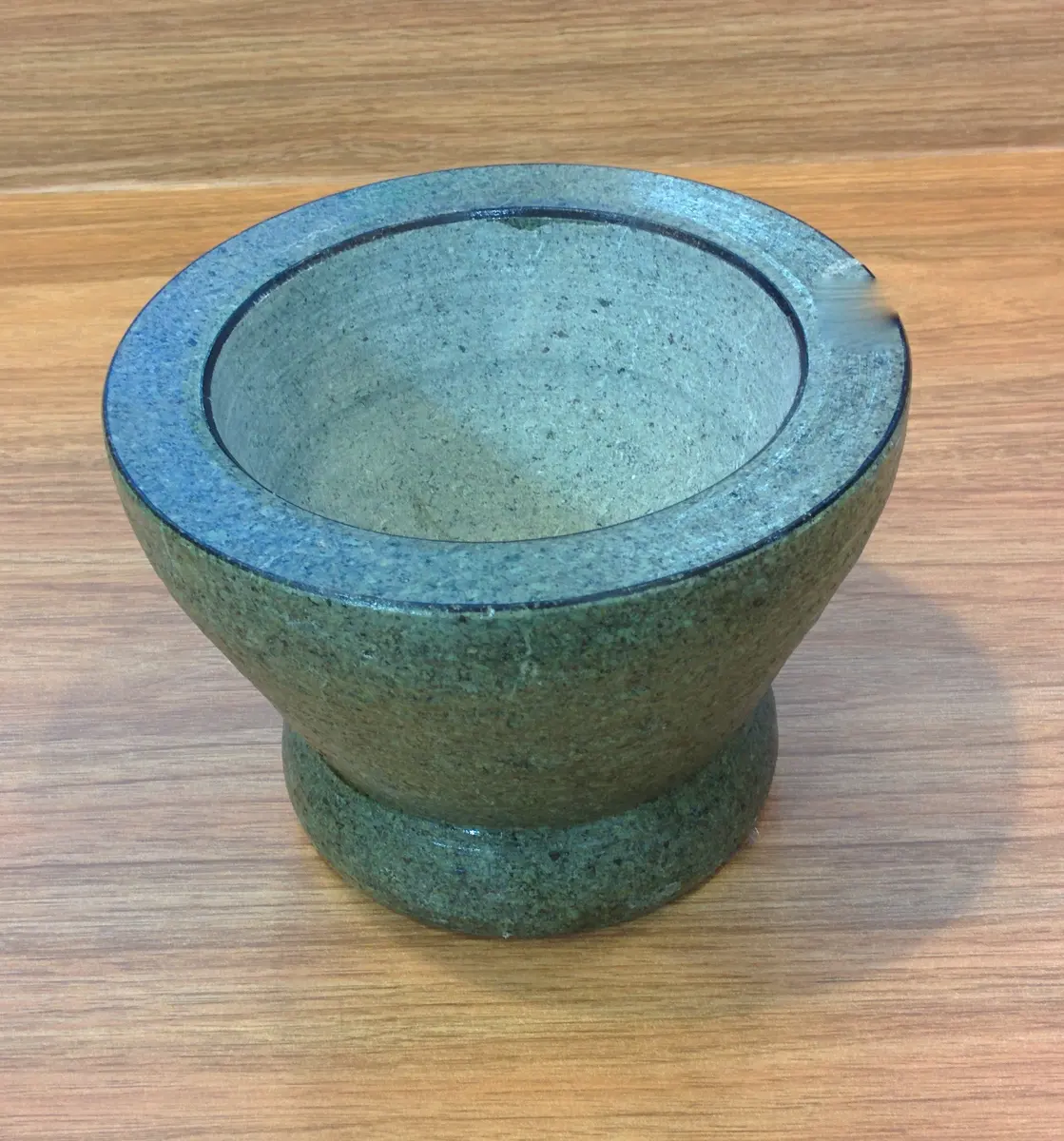
What Goes Into a Thai Curry Paste
A curry paste is the concentrated soul of a Thai dish. In the stone mortar, cooks pound, in order from hardest to softest:
- Dried or fresh chilies (red or green)
- Lemongrass, galangal and makrut lime zest
- Cilantro root, garlic and shallots
- Toasted spices: coriander seed, cumin, white pepper
- Shrimp paste, to bind and season
Change the chilies and spices and you change the curry: fresh green chilies make green curry; dried red chilies make red curry and prik kang; turmeric and curry powder make yellow curry; cardamom, cinnamon and nutmeg make massaman.
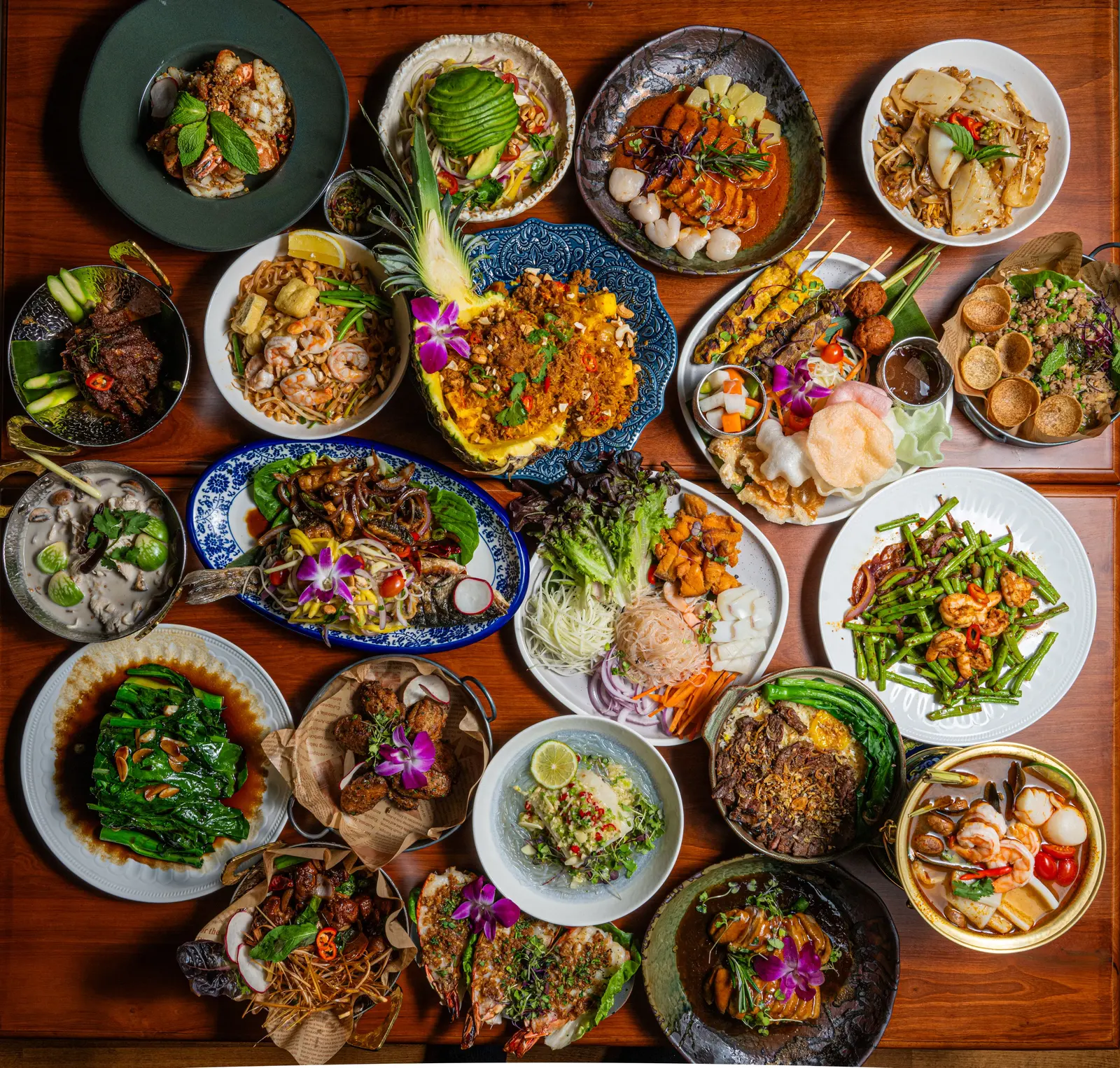
Taste the Ingredients at Their Best
Every dish at Elephant Ear starts with fresh herbs and premium ingredients, handled with care.